


The Riyadh Metro is now fully operational with the launch of its final Orange Line, completing all six lines of the network.
Spanning 41 km along Madinah Road, the Orange Line connects east and west Riyadh, with 5 key stations, including Jeddah Road and Al-Naseem.
Operating from 6 AM to midnight, the world’s longest driverless Riyadh Metro covers 176 km with 85 stations.
Tickets are available via the “Darb” app or metro ticket machines.
Launching The Orange Line

The bustling capital of Saudi Arabia, Riyadh, has entered a new era of public transportation with the completion of its state-of-the-art world’s longest driverless Riyadh Metro system.
The recent launch of the Orange Line marks a significant milestone in Riyadh’s journey towards becoming a world-class metropolis with an efficient and sustainable transit network.
The Orange Line: Connecting East and West
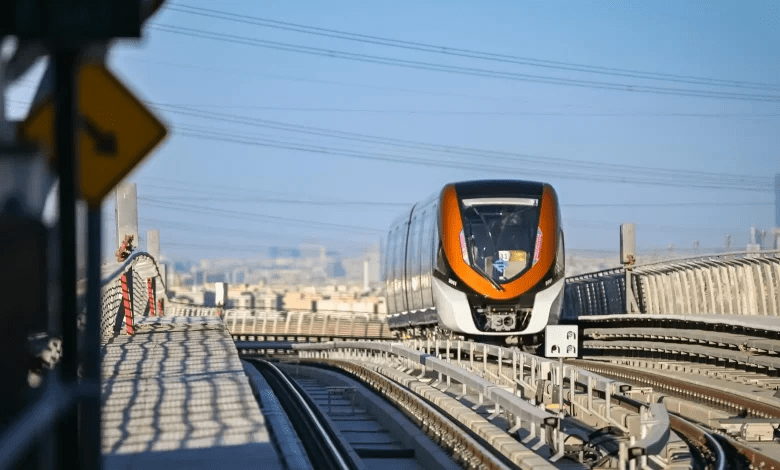
The Orange Line, also known as Line 3, is the final piece of the puzzle in Riyadh’s comprehensive metro network. Stretching across 41 kilometers, this vital artery connects the eastern and western parts of the city, providing a much-needed link for commuters and visitors alike.
Route and Coverage
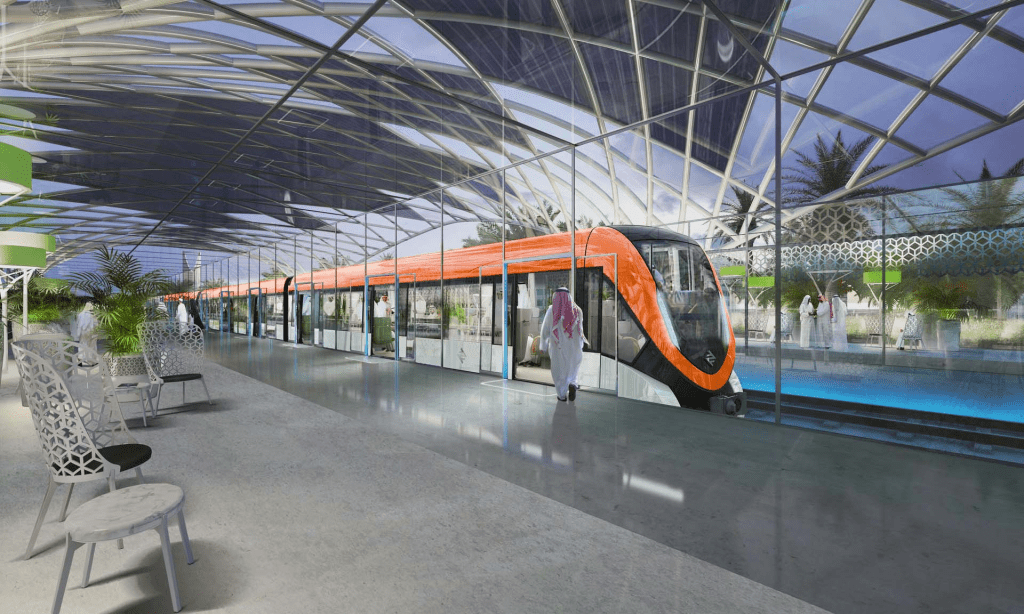
The Orange Line’s route is strategically designed to serve some of Riyadh’s most populous and commercially important areas. Beginning at Jeddah Road in the west, it traverses the city’s central districts before terminating at the second eastern ring road near Khashm Al-Aan.

This extensive coverage ensures that a large portion of Riyadh’s population can now access rapid transit options.
Key Stations and Interchanges
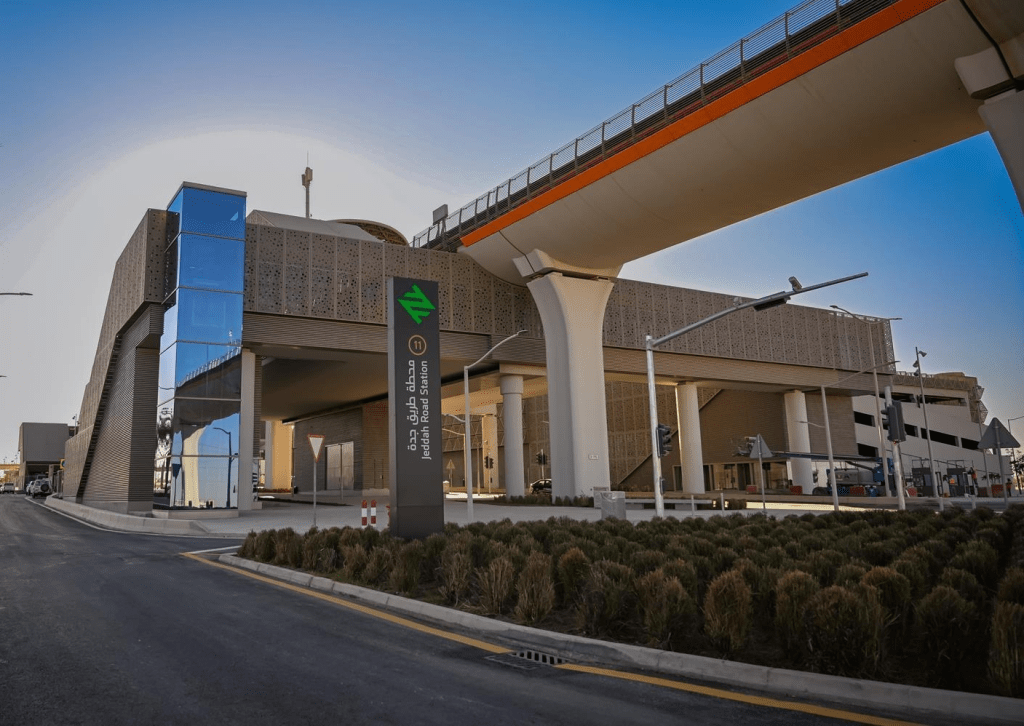
Five major stations along the Orange Line serve as primary access points for passengers:
- Jeddah Road Station: Serving as the western terminus, this station provides access to the bustling Jeddah Road area.
- Tuwaiq Station: Located in the city’s heart, this station caters to the central business district.
- Douh Station: Offering connectivity to residential areas and local amenities.
- Harun Al-Rashid Road Station: Providing access to educational institutions and government offices.
- Al-Naseem Station: A crucial interchange point, allowing transfers to the Purple Line and enhancing overall network connectivity.
Operational Hours and Frequency

Like the rest of the Riyadh Metro network, the Orange Line operates from 6 AM to midnight daily. This extended service window ensures that early-morning commuters and late-night travelers can benefit from the metro system.
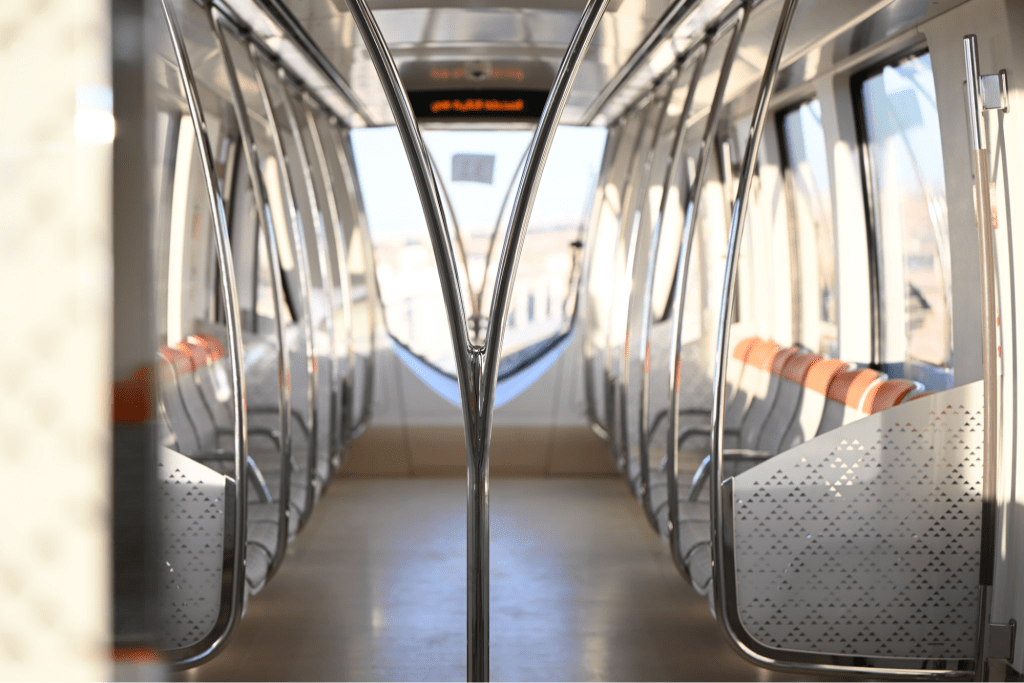
Trains run at regular intervals, with increased frequency during peak hours to accommodate the higher passenger volumes.
Completing the Riyadh Metro Network

The launch of the Orange Line signifies the completion of Riyadh’s ambitious metro project, which now boasts six fully operational lines.
This comprehensive network has transformed the city’s public transportation landscape, offering residents and visitors a reliable, efficient, and environmentally friendly alternative to road transport.
Network Overview
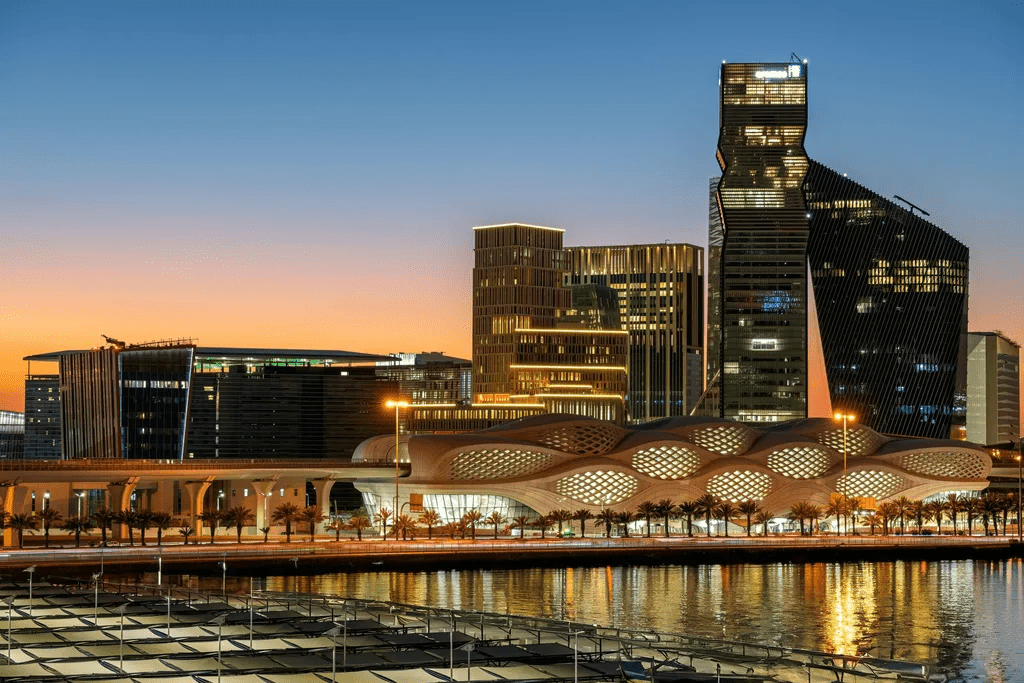
The Riyadh Metro network spans an impressive 176 kilometers, making it the largest metro system in the Middle East. With 85 stations strategically located across the city, including four major transit hubs, the network provides unprecedented connectivity and accessibility to key areas of Riyadh.
Phased Rollout Strategy
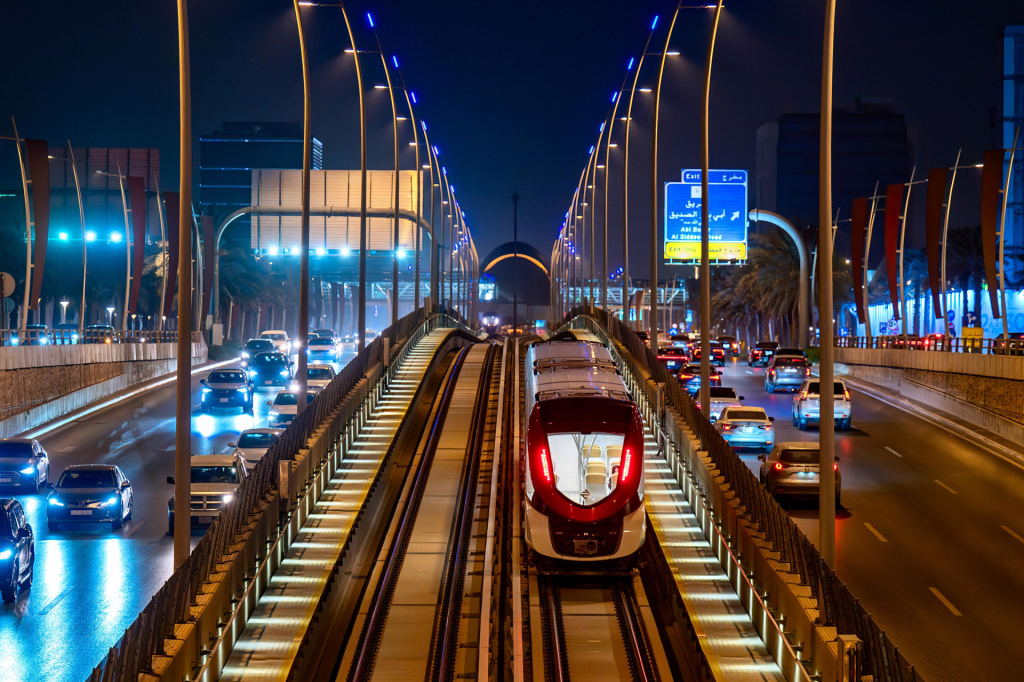
The Royal Commission for Riyadh City (RCRC) implemented a phased approach to launching the metro network:
- Phase 1: Blue Line, Yellow Line, and Purple Line commenced operations.
- Phase 2: Red Line and Green Line were introduced to the public.
- Final Phase: Orange Line launch, completing the network.
This gradual rollout allowed for thorough testing and optimization of each line before full integration into the network.
Ticketing Options
The Riyadh Metro offers multiple ticketing options to cater to different passenger needs:
- Darb App: A mobile application allowing users to purchase and store digital tickets.
- Ticket Counters: Staffed booths at stations for in-person ticket purchases.
- Self-Service Kiosks: Automated machines for quick and easy ticket buying.
- Digital Payments: Acceptance of various electronic payment methods, including credit cards and mobile wallets.
Shaping Riyadh’s Urban Landscape
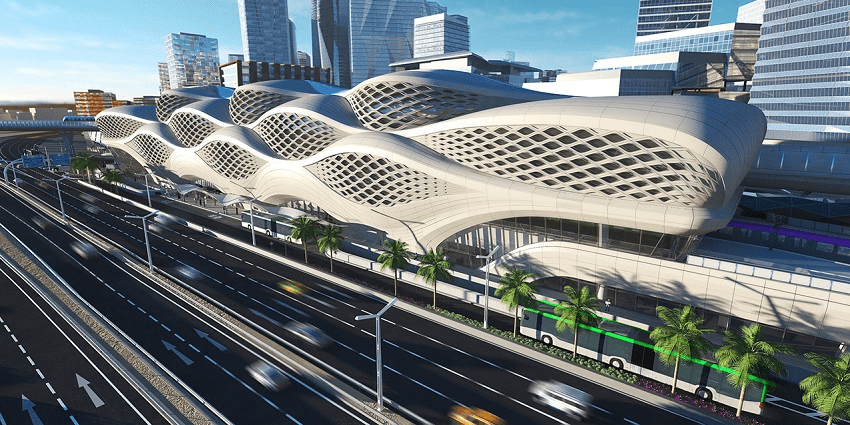
The completion of the Riyadh Metro network, marked by the launch of the Orange Line, represents a transformative moment in the city’s history.
This state-of-the-art public transportation system addresses long-standing mobility challenges and positions Riyadh as a modern, sustainable, and forward-thinking metropolis.
More Planned Projects in Riyadh
King Salman Stadium’s Designs
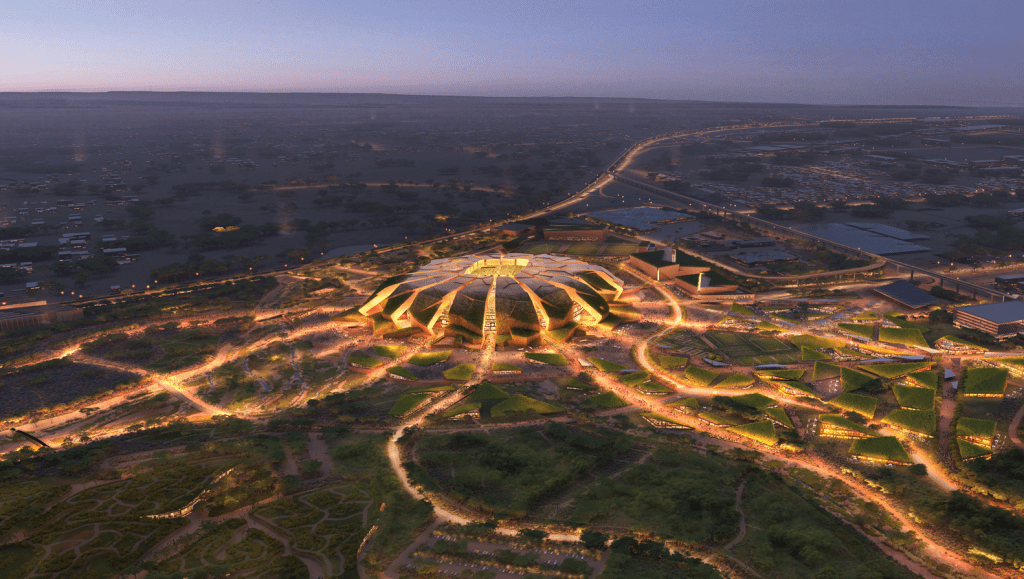
Saudi Arabia has revealed the design for the massive King Salman Stadium in Riyadh, which will seat 92,000 spectators and host the 2034 FIFA World Cup.
Scheduled to open in 2029, the stadium will be integrated into King Abdulaziz Park, surrounded by various sports facilities. It aims to host major global events and serve as the new home for the Saudi National Team.
The venue will also include a 150-seat Royal Suite, 120 hospitality suites, and aligns with Saudi Vision 2030 to position Riyadh as a premier international sports hub.
Dar Global and Mouawad’s Villa Project
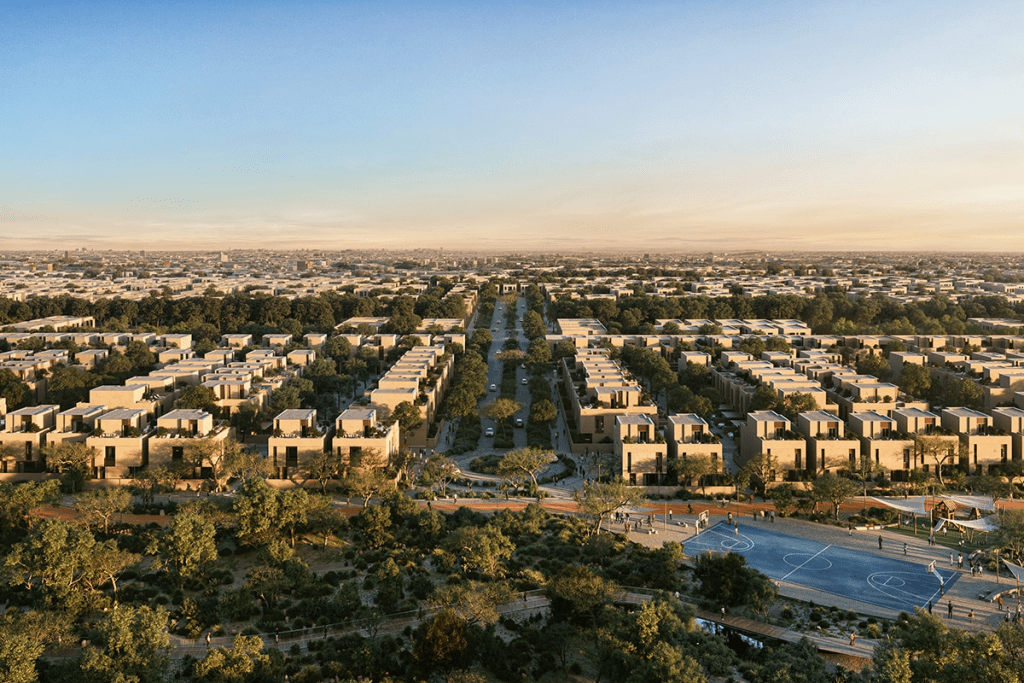
Dar Global, an international real estate developer, has partnered with luxury jeweler Mouawad to unveil a $235 Million Villa Project in North Riyadh, close to the World Expo 2030 site.
The development will include 200 exquisite villas, similar to the prestigious Bulgari Residences, and aims to boost Riyadh’s reputation as a top luxury destination.
Scheduled for completion in 2026, this project represents Dar Global’s debut in Saudi Arabia and Mouawad’s entry into the real estate market.
New Murabba Stadium
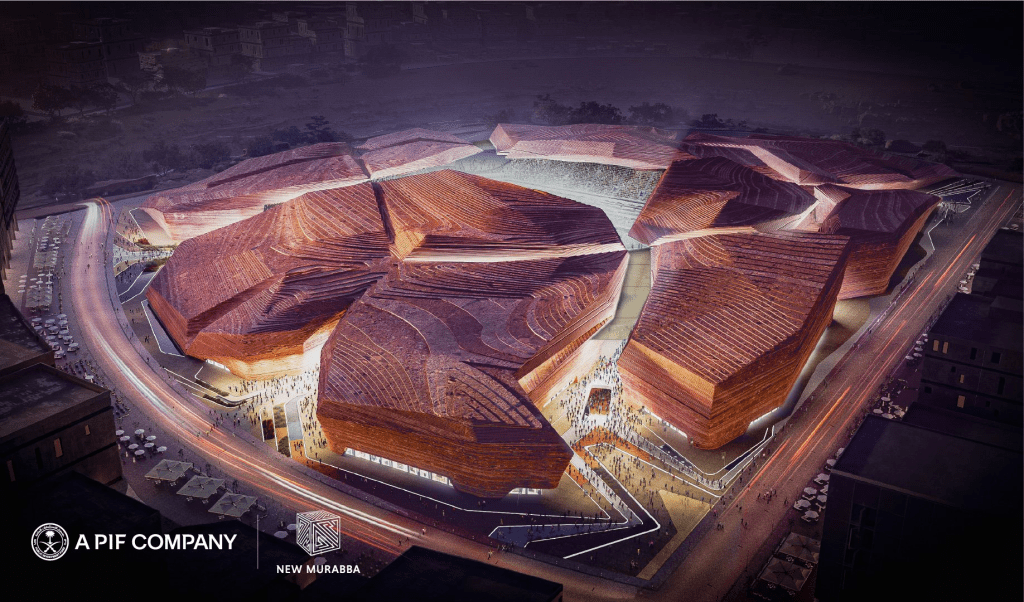
The New Murabba Development Company, part of the PIF, has revealed the impressive design for a 45,000 seater New Murabba Stadium in Riyadh.
Scheduled for completion in 2032, the stadium’s design draws inspiration from native acacia trees and incorporates cutting-edge technology.
It will serve as a sports, cultural, and entertainment center, enhancing Riyadh’s international appeal.
Global Sports Tower
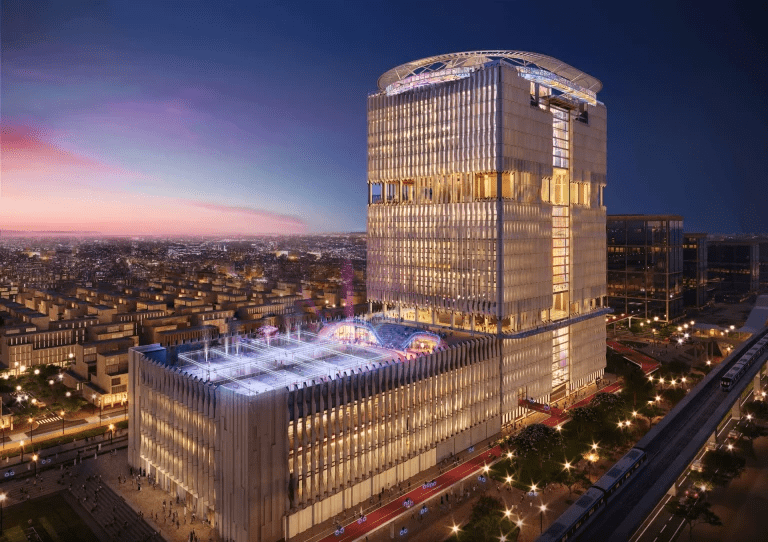
Saudi Arabia has unveiled plans for The Global Sports Tower in Riyadh, which is set to become the world’s tallest sports tower.
This 130-meter towering structure will be located in The Sports Boulevard, one of the major projects in Riyadh.
It is expected to include various world-class sports facilities, such as the highest indoor climbing wall in the world and a running track on its rooftop.
The Avenues Riyadh
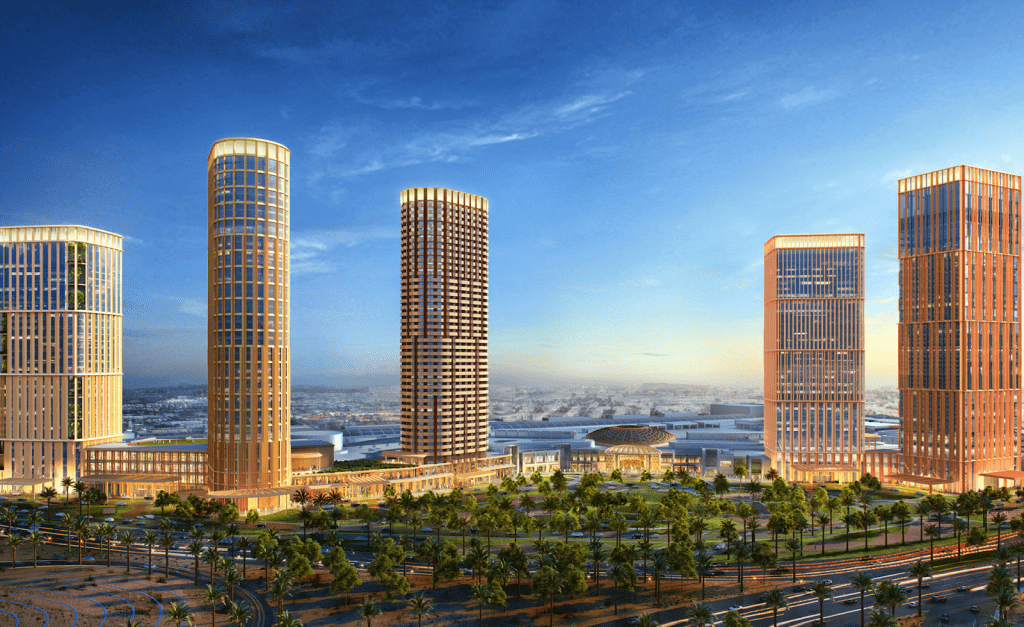
The highly anticipated Avenues Riyadh project, valued at $4.58 billion, has reached 44.5% completion and is scheduled to open in early 2026.
Situated in northern Riyadh, this iconic development, inspired by Salmani architecture, will cover 390,000 square meters and host one of the Middle East’s largest malls.
It will also feature three luxury hotel towers: Waldorf Astoria, Canopy by Hilton, and Conrad. This project supports Saudi Vision 2030’s goal of making Saudi Arabia a leading global tourist destination.
Boulevard Business Park
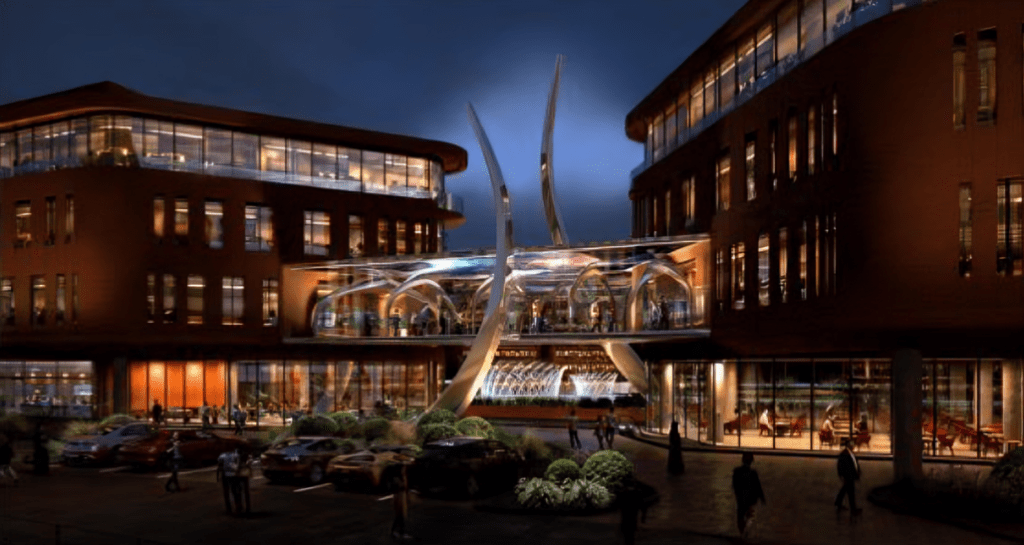
Saudi Arabia’s General Entertainment Authority has unveiled plans for a $266 million business park at Boulevard City in Riyadh.
Named the “Boulevard Business Park,” this new project will consist of nine buildings with views of the Boulevard City Fountain, an outdoor art gallery, and a suspended pool.
The initiative aims to promote creativity, innovation, and support for entrepreneurs and businesses, in line with Saudi Vision 2030.
New Murabba
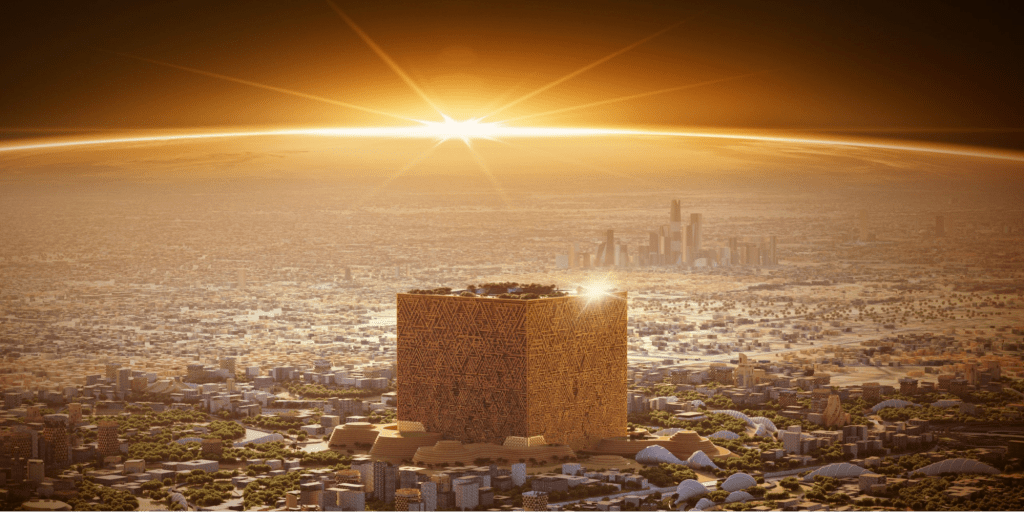
The most recent video demonstrates significant advancements in the construction of the New Murabba, the largest contemporary downtown in northwest Riyadh.
A remarkable 5 million cubic tonnes of soil have already been removed, and the project is making notable headway.
This ambitious venture covers an area of 19 square kilometers and will include the distinctive cube-shaped Mukaab at its heart, capable of holding 20 Empire State Buildings.
King Salman Park
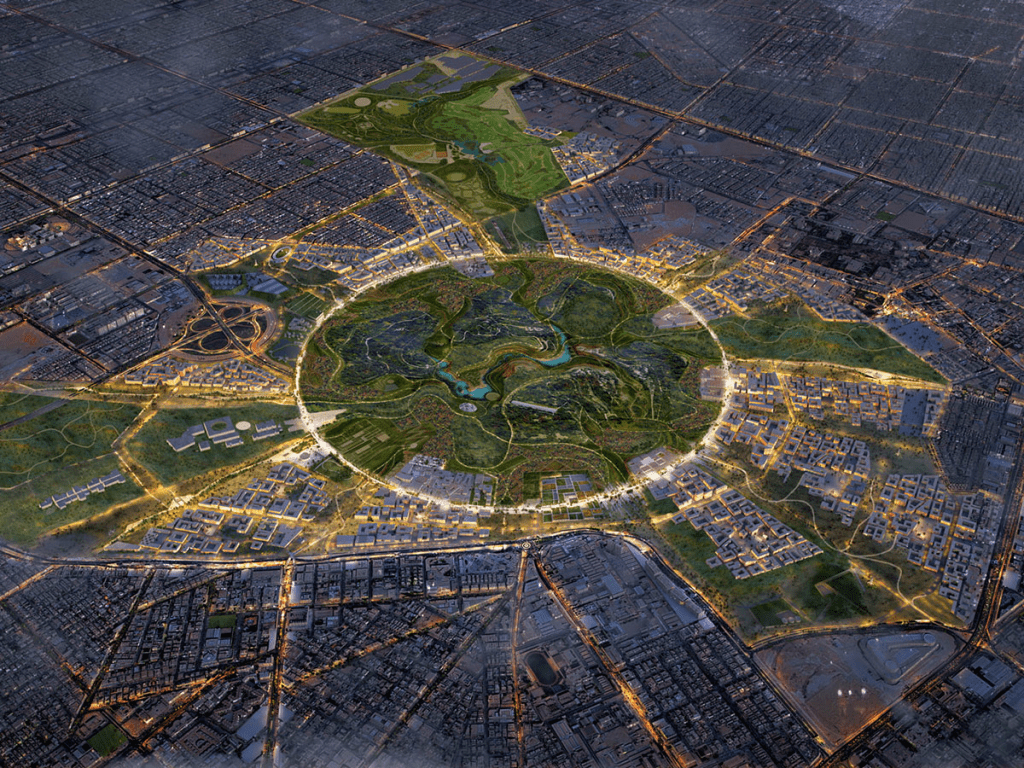
King Salman Park, the largest urban park in the world, is scheduled to open in 2024, covering a total area of 16 square kilometers.
The park includes 11 square kilometers of greenery and water features in the heart of Riyadh.
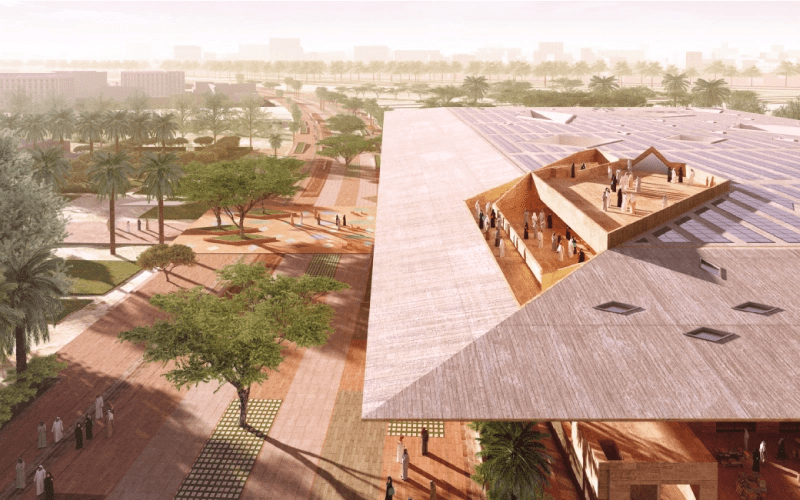
Its major attractions will be a Royal Arts Complex, an equestrian center, an 850,000-square-meter Royal golf course, and the city’s first skydiving center.
In addition, the park will offer over 2,000 hotel rooms and aims to elevate the quality of life in the city, following the goals of Saudi Vision 2030, thereby improving Riyadh’s global ranking.
Riyadh Sports Boulevard
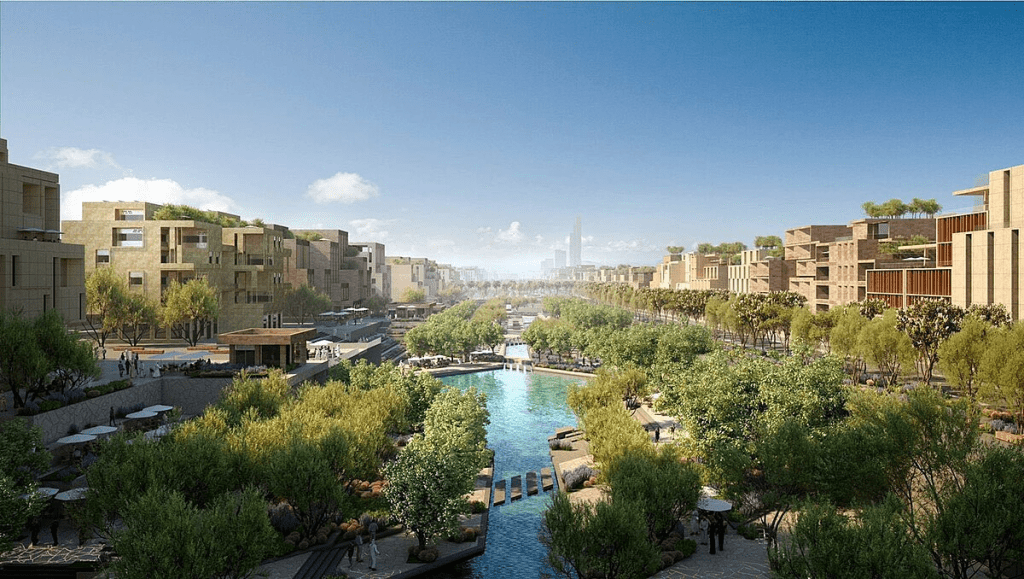
The Riyadh Sports Boulevard has been designed to be the longest linear park in the world, with the purpose of connecting the Wadi Hanifa in the western part of Riyadh to the Wadi Al Sulai in the eastern part of the city, spanning a total distance of 135km.
This project aims to transform Riyadh into one of the world’s most livable and healthy cities. The development plans to include various pathways, bike lanes, and horse riding trails, covering a vast area of 4.4 million square meters of green spaces.
The impressive initiative will also consist of 8 exceptional districts, such as an athletics district, an entertainment district, and an arts district.
Riyadh Rise Tower
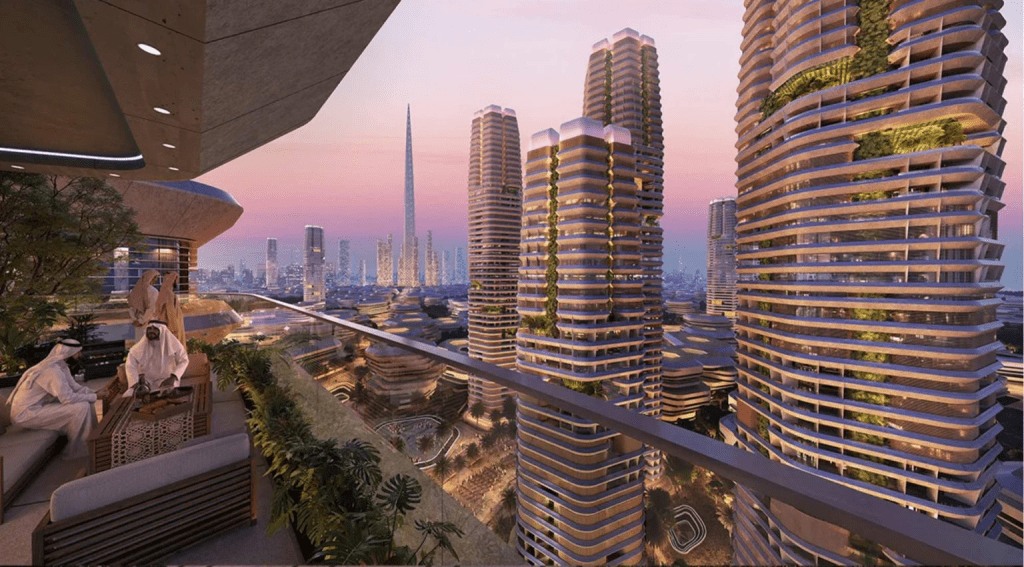
Saudi Arabia Holding Co. has unveiled its plans for the Rise Tower, which is set to become the world’s tallest skyscraper in Riyadh, surpassing even the renowned Burj Khalifa. The unveiling of Rise Tower’s plans is a significant component of the broader North Pole Project in Riyadh.
Rise Tower is anticipated to exceed 828 meters to outshine the Burj Khalifa. There are speculations that Rise Tower might ascend to a staggering 2 kilometers, doubling the Burj Khalifa’s current height.
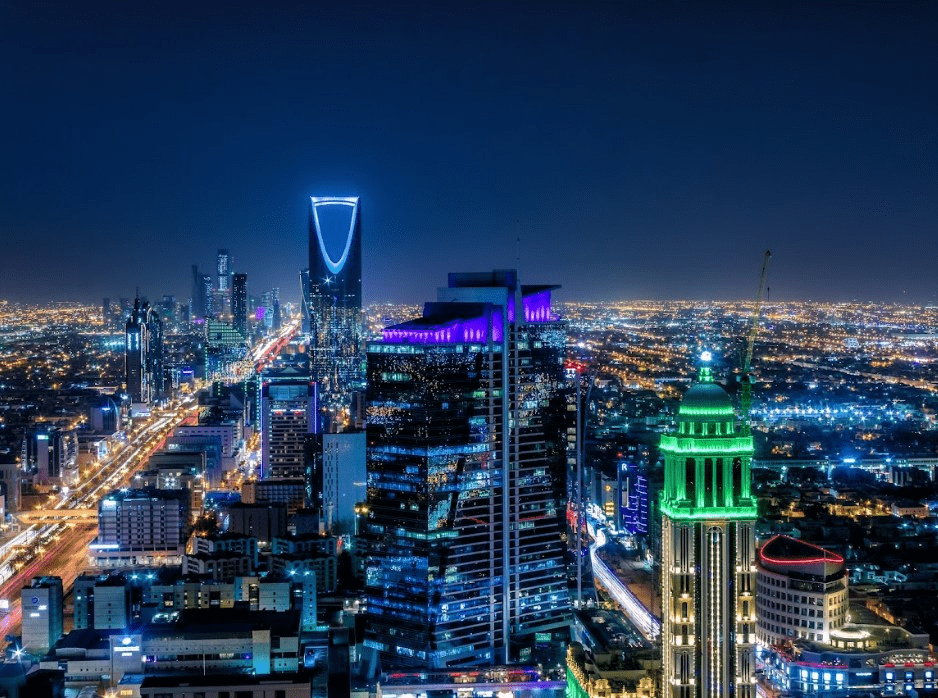
With these transformative projects, Riyadh, one of the world’s top 15 fastest-growing cities, is transforming into a city known for its accessibility and quality of life to become among the world’s top 10 cities with an investment of $1 trillion over the next seven years.
Keep Reading: Saudi Arabia Unveils Designs for the 92,000 Seater King Salman Stadium in Riyadh


