


Saudi Arabia has been confirmed by FIFA as host of the 2034 FIFA World Cup, marking a key milestone in the Saudi Vision 2030 transformation.
The 2034 World Cup is planned to take place across Riyadh, Jeddah, NEOM, Al Khobar, and Abha with the final taking place in Riyadh.
This adds to Saudi Arabia’s portfolio of major events, including the 2027 Asian Cup and 2029 Asian Winter Games, and promises a family friendly and memorable tournament experience.
Saudi Arabia 2034 FIFA World Cup
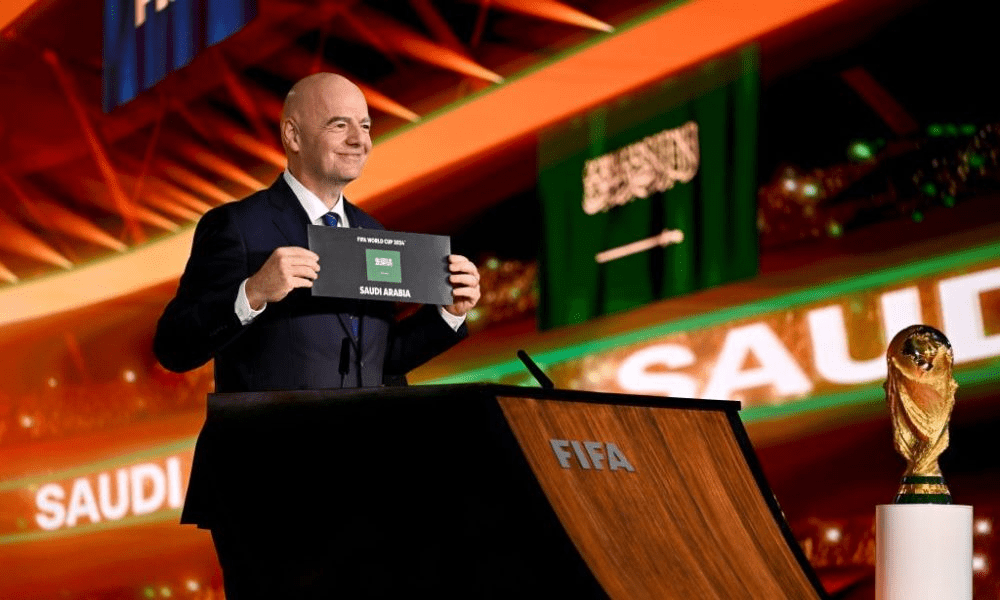
The groundbreaking news as the Kingdom of Saudi Arabia was officially announced as the 2034 FIFA World Cup host nation promises to showcase the Kingdom’s rapid modernization and its commitment to becoming a major player on the world stage.
The path to securing the 2034 FIFA World Cup hosting rights was not without its intricacies. Saudi Arabia’s journey to becoming the chosen host nation involved a series of strategic moves and favorable circumstances that ultimately led to this historic outcome.
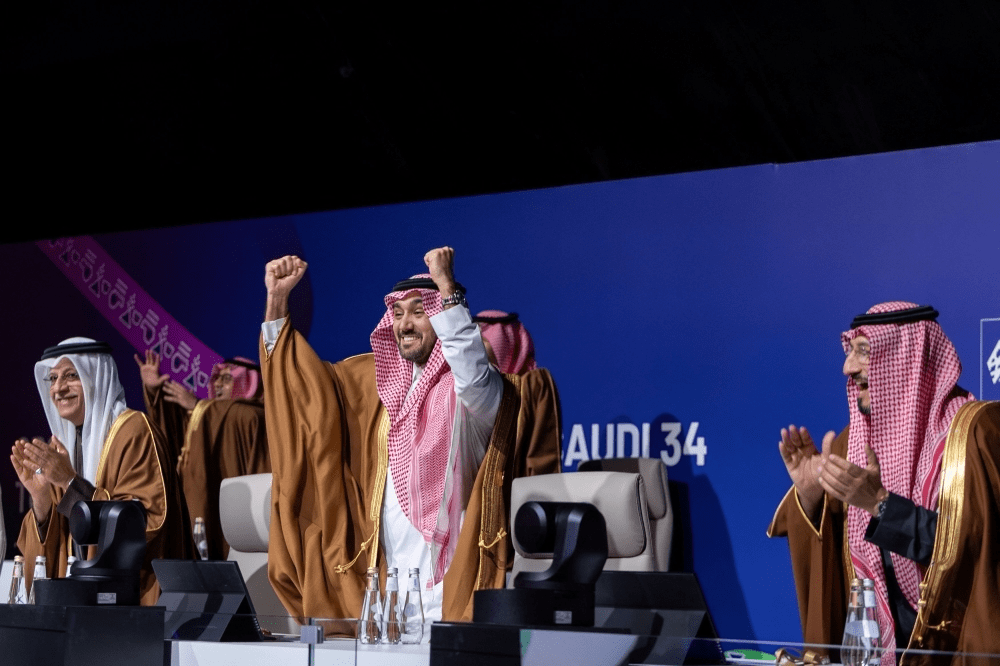
From state-of-the-art stadiums to innovative technologies, the 2034 World Cup in Saudi Arabia is poised to be a testament to Saudi Arabia’s vision for the future.
FIFA’s Continental Rotation Principle
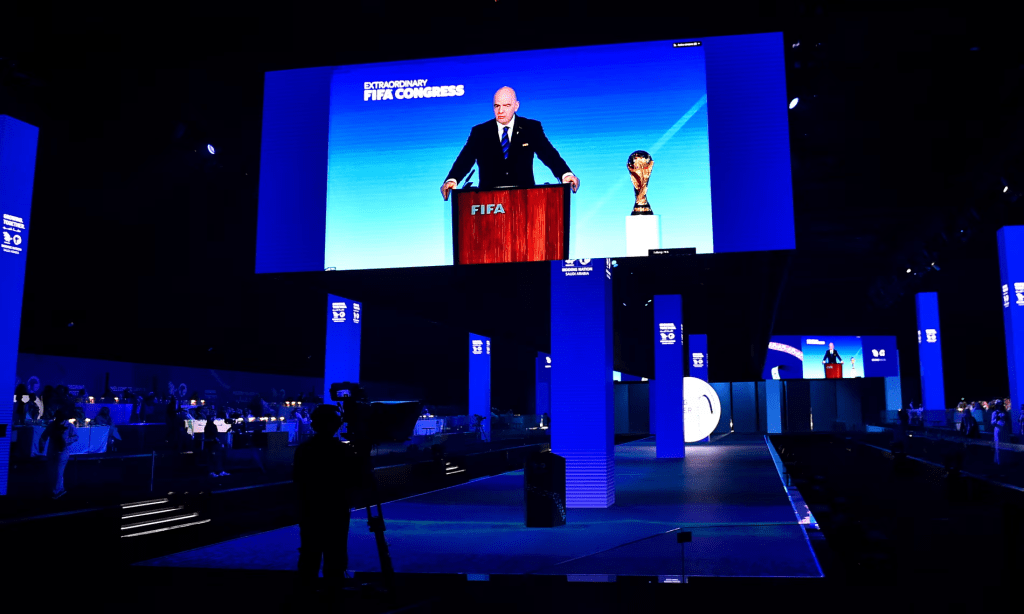
FIFA’s decision to implement its continental rotation principle played a pivotal role in paving the way for Saudi Arabia’s bid. This policy, designed to ensure a fair distribution of hosting opportunities across different regions, limited potential bids for the 2034 tournament to countries in Asia and Oceania.
This strategic move by FIFA effectively narrowed the field of competitors and positioned Saudi Arabia as a strong contender from the outset.
Swift Decisiom for 2034 World Cup
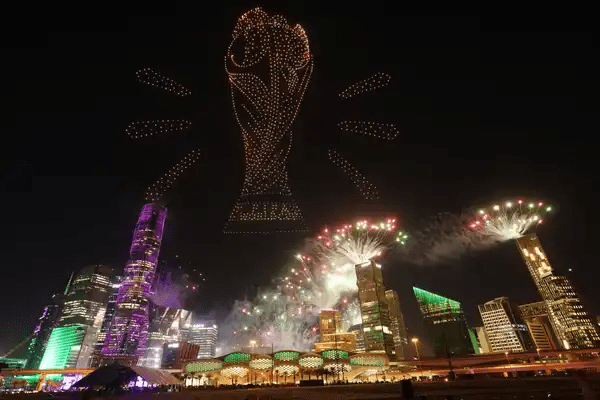
The bidding process for the 2034 World Cup was notably expedited, with FIFA allowing potential hosts only a brief window to submit their candidacies.
This accelerated timeline proved challenging for some nations, including Australia, which swiftly withdrew its interest, citing insufficient time to prepare a comprehensive bid. The rapid nature of the process ultimately left Saudi Arabia as the sole candidate, streamlining the path to its selection as host.
Saudi Arabia’s 2034 FIFA World Cup Bid
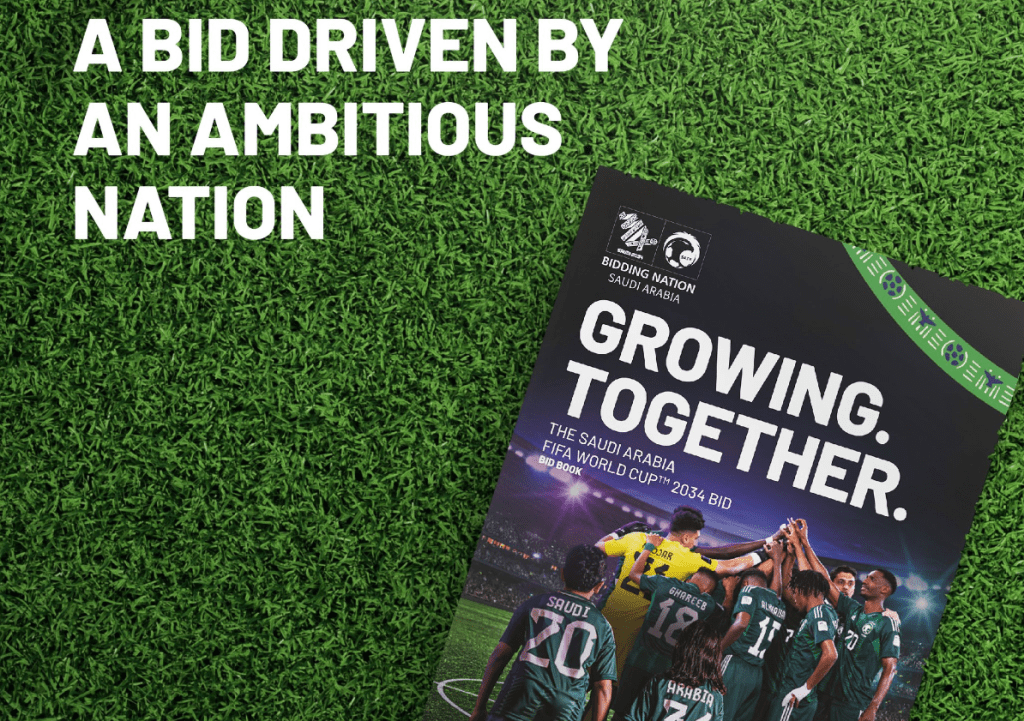
Earlier, on July 29th, 2024, the Kingdom’s meticulously crafted 245-page official bid book, fittingly titled ‘Growing. Together.’ that sums up an ambitious vision of the nation’s transformative journey.
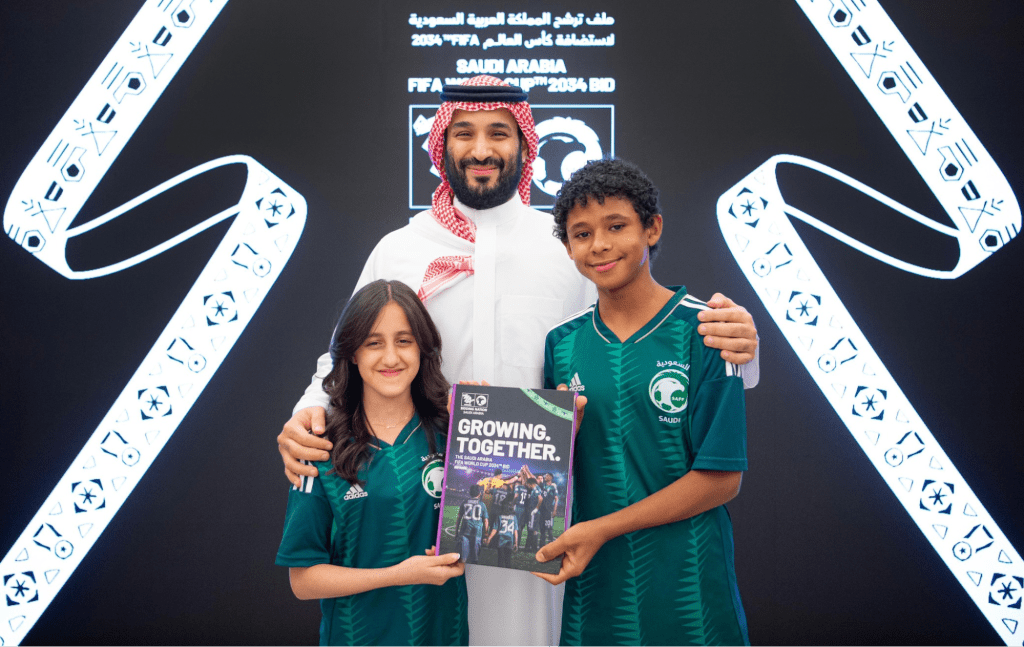
The bid has been strongly supported by Crown Prince and Prime Minister, His Royal Highness Prince Mohammed bin Salman bin Abdulaziz Al Saud. With such backing, Saudi Arabia demonstrates its dedication to hosting an extraordinary global sporting event.
The bid book highlights the Kingdom’s significant infrastructure projects, emphasizing a bold commitment to setting new benchmarks for global sports events.
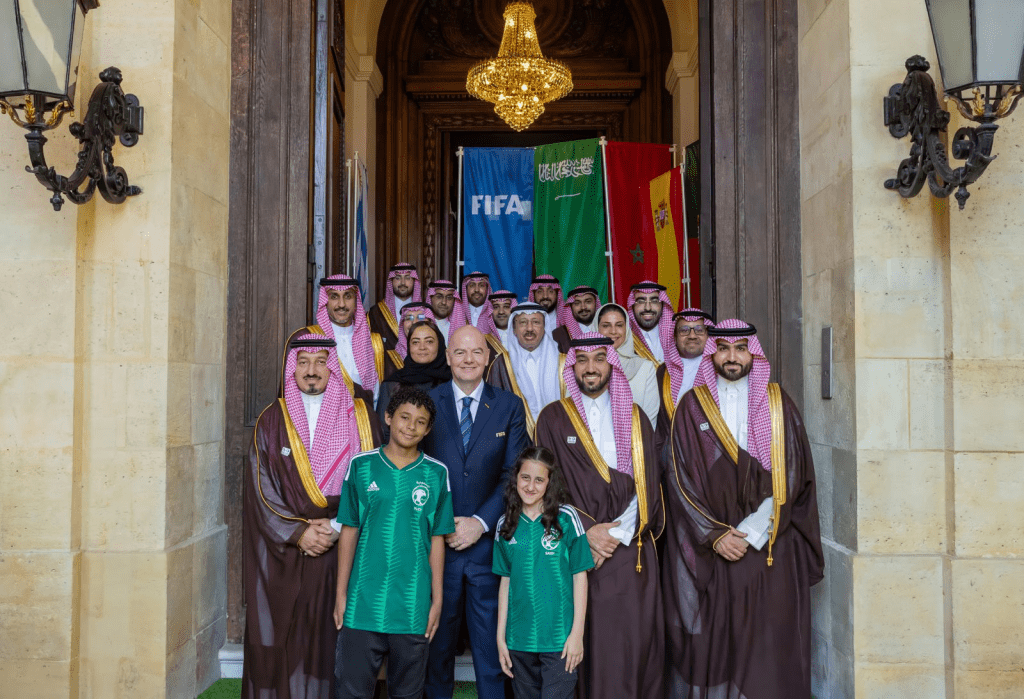
His Royal Highness Prince Abdulaziz bin Turki bin Faisal Al Saud expressed the essence of this vision:
“Together, we are working towards materializing Saudi Arabia’s dream of hosting the FIFA World Cup™ into a tangible reality – as outlined within our official bid book. These plans will combine our rich football heritage with our deep passion for the game and ensure Saudi Arabia’s success as the first nation to host a 48-team tournament in one country.”
Stadiums, Training Venues, and More

Saudi Arabia has created an intricate tapestry of unparalleled facilities meticulously designed to elevate the tournament to unprecedented heights.
With diverse landscapes, including 8 UNESCO World Heritage Sites and innovative destinations, the Kingdom offers visitors a unique blend of culture and modernity.
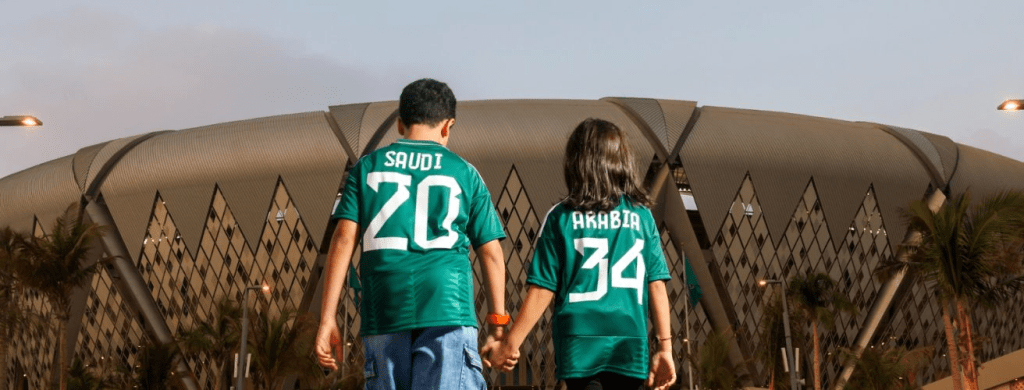
The 2034 FIFA World Cup in Saudi Arabia will feature 132 training venues across 15 cities, featuring 72 Base Camp Training Sites and 2 Referee Base Camp Training Sites, ensuring optimal preparation for all participating teams and officials.
Saudi Arabia’s Host Cities
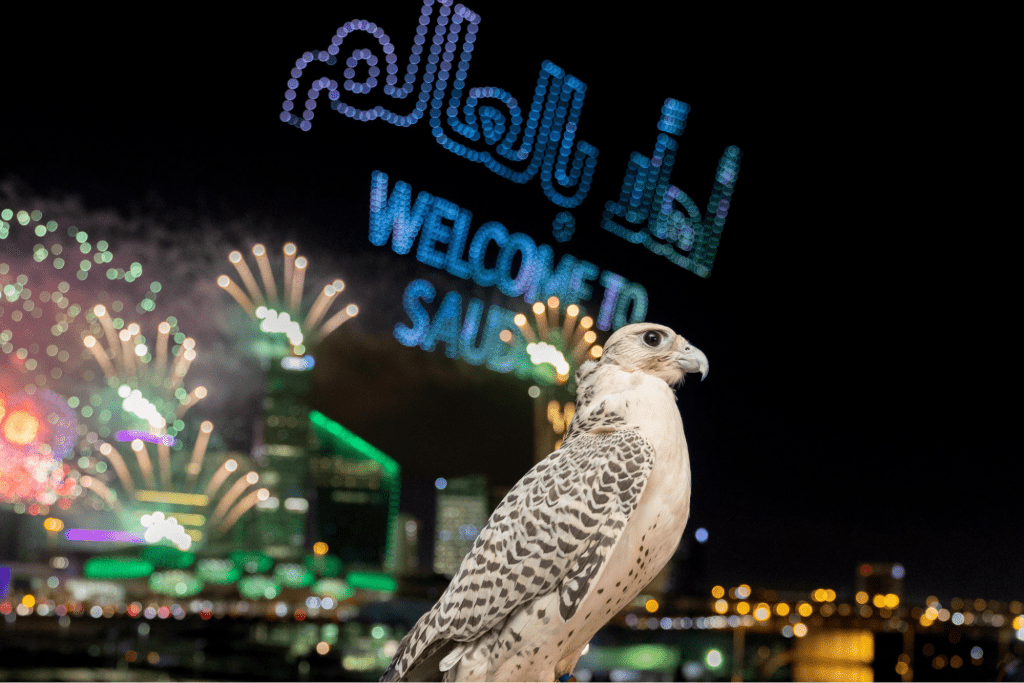
Saudi Arabia has selected five host cities for the FIFA World Cup 2034: Riyadh, Jeddah, Al Khobar, Abha, and NEOM, the groundbreaking futuristic city.
These cities represent the Kingdom’s ability to merge technological advancement with visionary design, creating an unforgettable experience for players and fans alike.
Riyadh: The Capital Heart of Saudi Arabia

Riyadh, the dynamic and lively capital of Saudi Arabia, stands as the largest city in both size and population. It serves as the nation’s central hub for administration and finance.
In the near future, Riyadh will co-host the 2027 AFC Asian Cup alongside Jeddah and Al Khobar, and it will welcome the world during the World Expo 2030. Additionally, the city is set to host the 2034 Asian Games, solidifying its role as a global event destination.
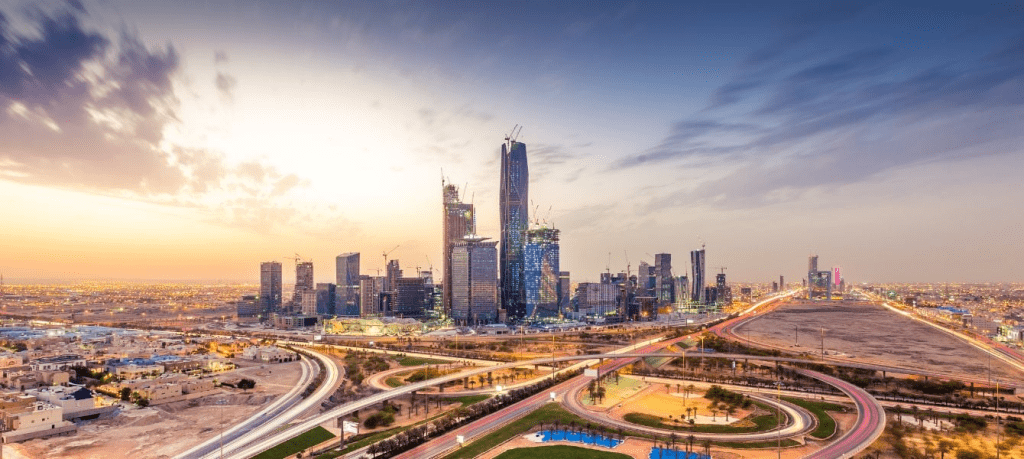
As the nation’s capital, Riyadh will be at the forefront, featuring 8 state-of-the-art stadiums to host World Cup matches. Here’s an overview of these venues:
- King Salman Stadium
- Prince Mohammed bin Salman Stadium
- King Fahad Sports City Stadium
- New Murabba Stadium
- ROSHN Stadium
- Prince Faisal bin Fahad Sports City Stadium
- South Riyadh Stadium
- King Saud University Stadium
King Salman Stadium
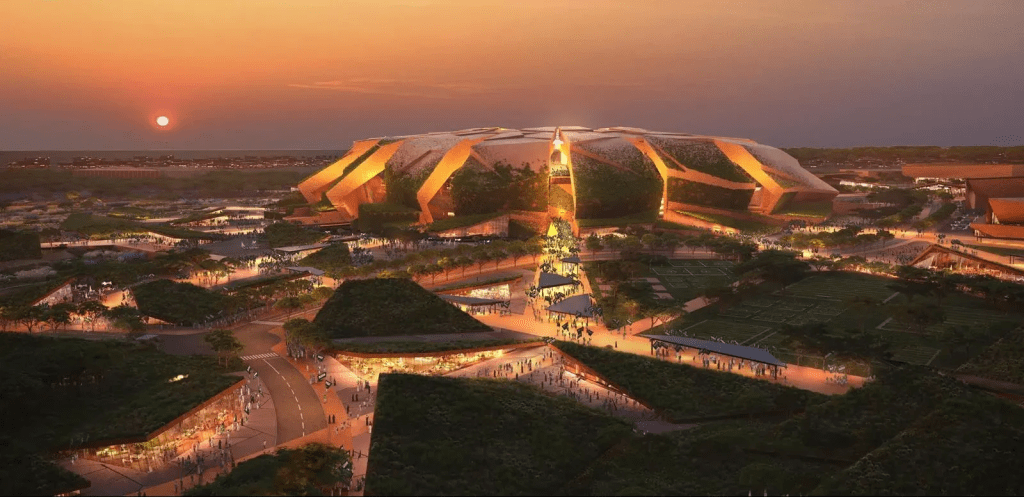
The crown jewel of this collection will be the awe-inspiring King Salman Stadium, a colossal structure boasting a staggering capacity of over 92,000 spectators.
The stadium, set to be finished by 2029, will serve as the venue for significant global sporting competitions and will also serve as the new headquarters for the Saudi National Team.
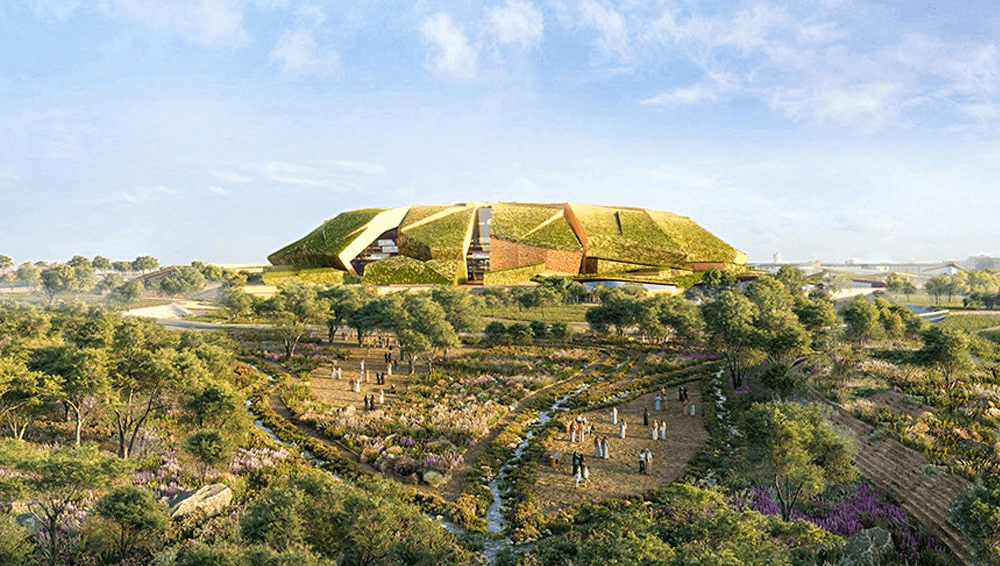
Encompassing an area of more than 660,000 square meters, the stadium will be seamlessly connected to the King Abdulaziz Park and boast a lavish 150-seat Royal Suite and 120 deluxe hospitality suites.
Prince Mohammed bin Salman Stadium
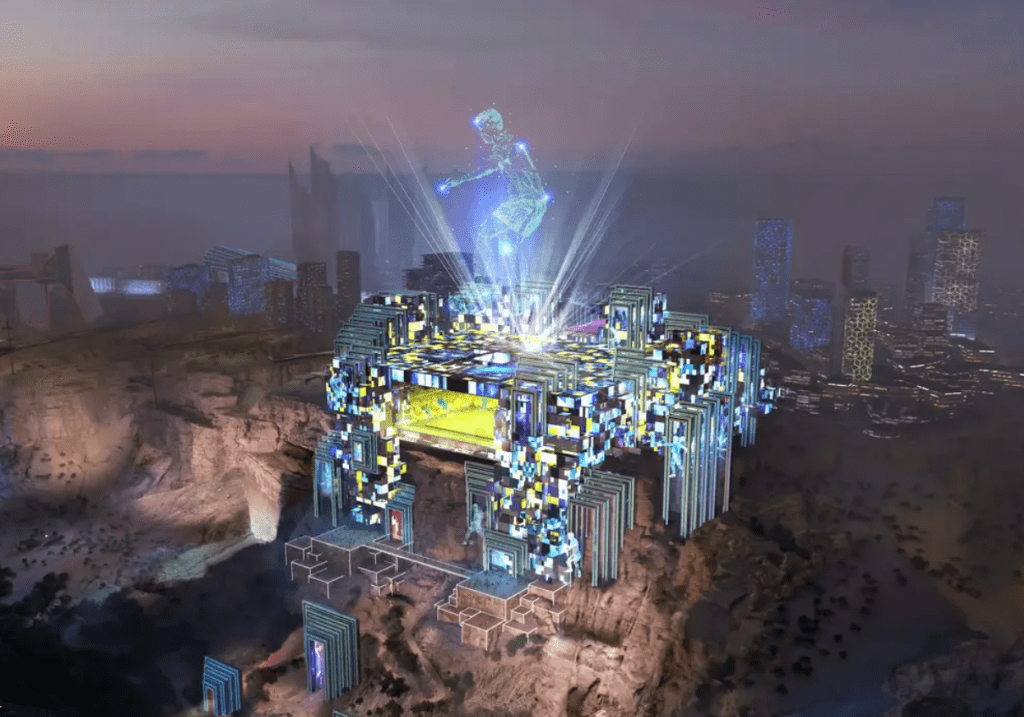
Among the other standout venues in Riyadh is the Prince Mohammed bin Salman Stadium. This futuristic marvel will captivate audiences with its triple-tiered stands and breathtaking views of the iconic Tuwaiq cliffs.
The stadium’s innovative design, featuring iridescent glass facades adorned with LED screens, promises an immersive and unforgettable experience for all who grace its halls.
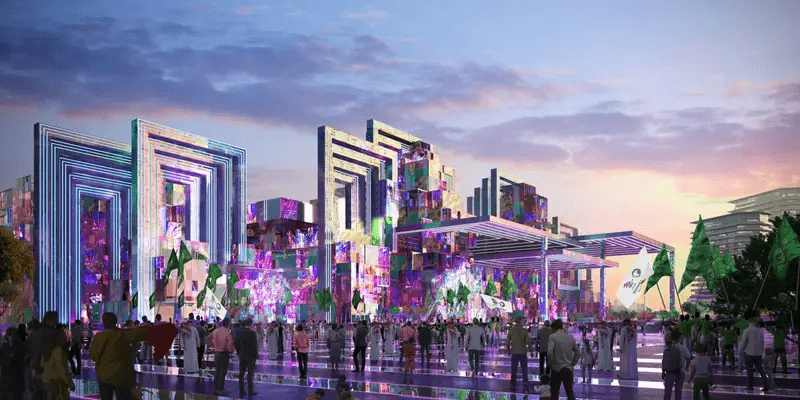
The Prince Mohammed bin Salman Stadium in Riyadh is expected to be finished by 2029 and, created by Populous, will have a capacity of 50,000 people. This stadium will be utilized for the 2034 World Cup third-place playoff game.
With the comfort of fans and modern facilities as top priorities, this new stadium will be a valuable addition to Saudi Arabia’s sports infrastructure.
King Fahad Sports City Stadium
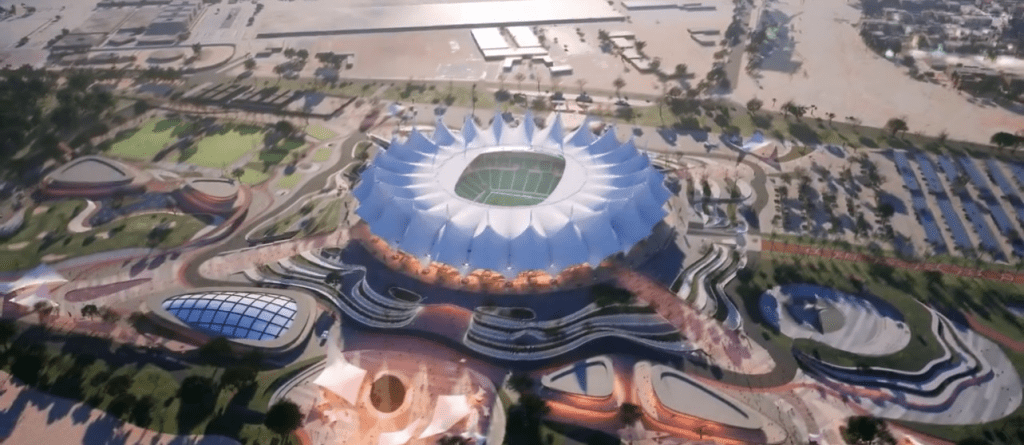
Riyadh will also be home to the renowned King Fahad Sports City Stadium, a beloved venue set to undergo extensive refurbishment to meet the highest global standards.
With a projected capacity of over 70,000 spectators, this stadium is poised to host the tournament’s semi-final matches, further cementing Riyadh’s status as the epicenter of footballing excellence.
New Murabba Stadium
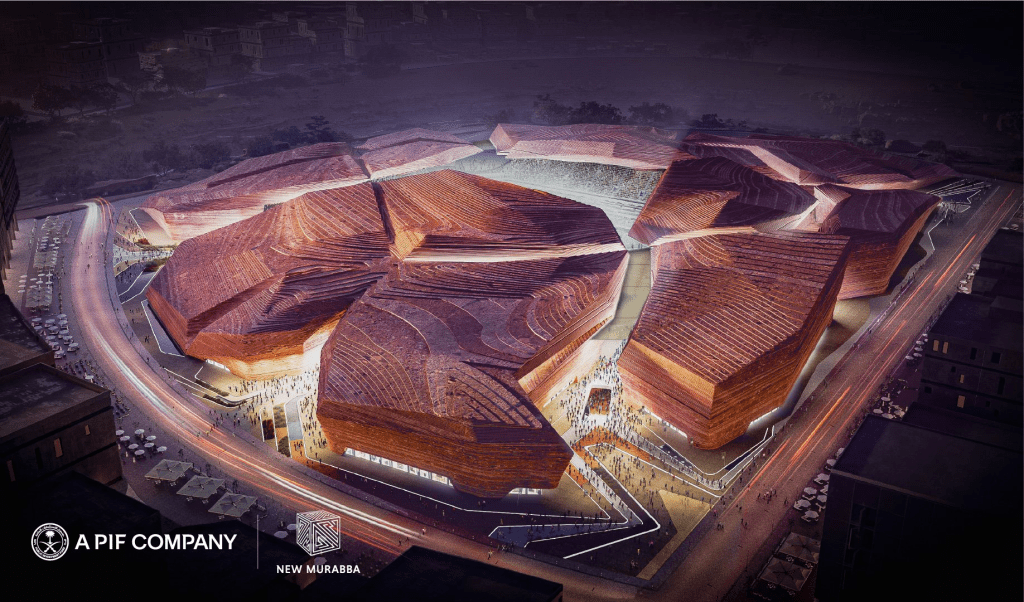
New Murabba Stadium is inspired by the intricate layering and textures of the native Acacia tree; this multi-purpose stadium in Riyadh will boast a capacity of 46,010 and host the Round of 32 matches during the 2034 World Cup.
The stadium, expected to be finished by 2032, will serve as a hub for various sports, cultural, and entertainment events, further elevating Riyadh’s global attractiveness.
ROSHN Stadium
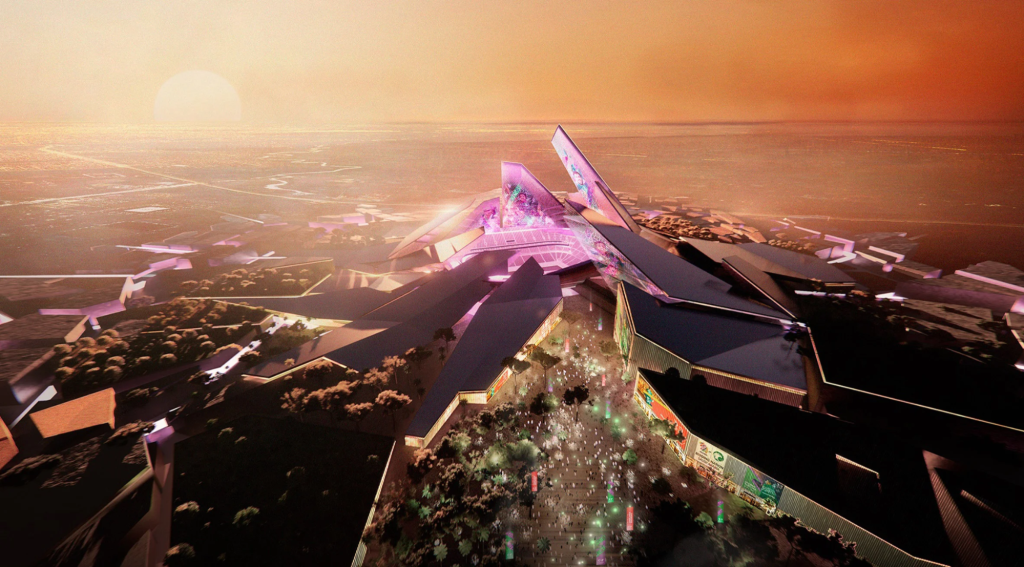
ROSHN Stadium is located in southwest Riyadh, and this 46,000-seater stadium will host the Round of 32 matches. Its crystalline structure, designed to glow at night, will testify to Saudi Arabia’s commitment to providing a premium experience for players and fans alike.
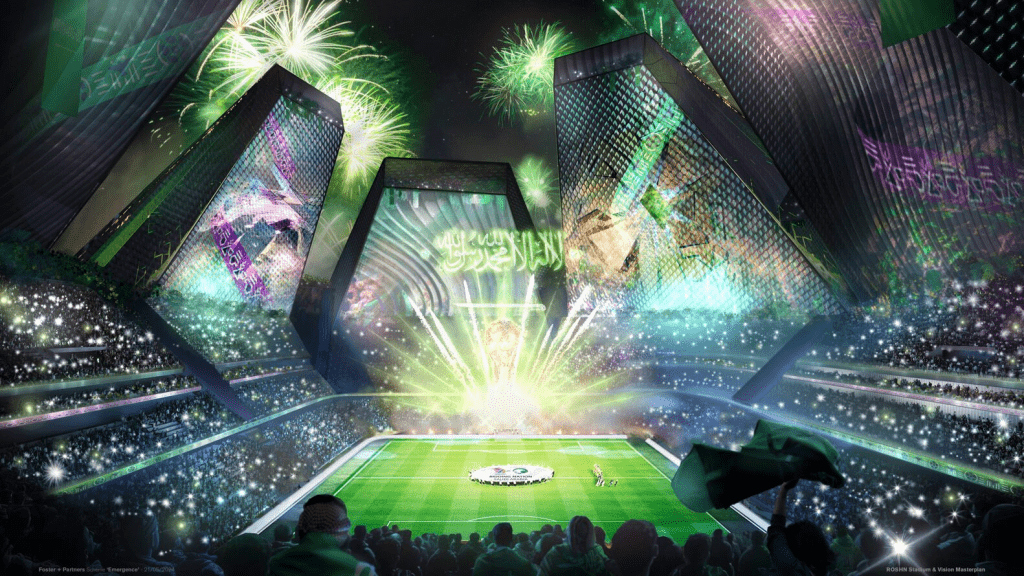
Encompassing an area of 450,000 square meters, the stadium aims to host significant global sports and cultural events.
This sports development project by ROSHN marks its debut in the field and includes various retail outlets, dining options, and open spaces.
Prince Faisal bin Fahad Sports City Stadium
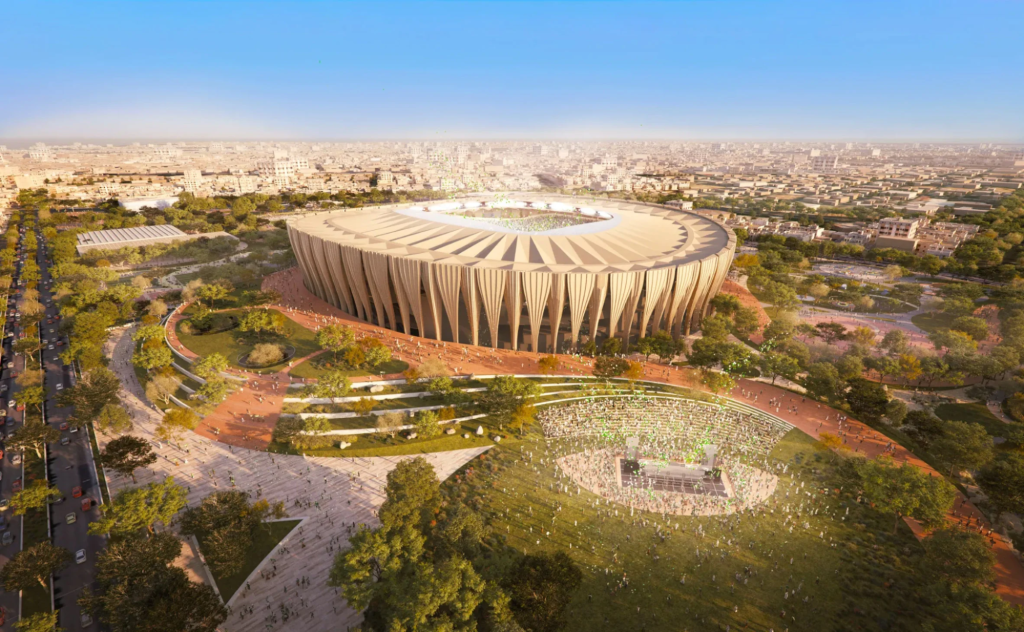
Prince Faisal bin Fahad Sports City Stadium is currently under construction and set for completion by 2027. This 46,865-seat venue will host the Round of 32 matches and bid to host the 2027 Asian Cup.
Inspired by the Salmani architecture, Its integration of modern architecture with functional sports facilities promises an unforgettable experience.
South Riyadh Stadium
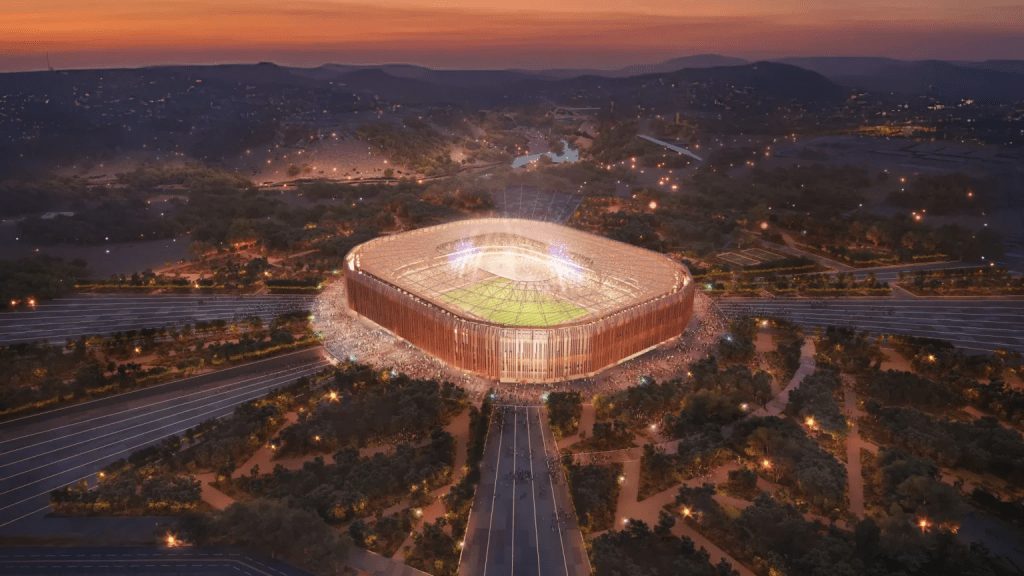
South Riyadh Stadium will have a gross capacity of 47,060, and this stadium, which is planned for completion by 2032, will host the Round of 32 matches. The stadium’s design will prioritize accessibility and fan involvement to create an unforgettable matchday experience.
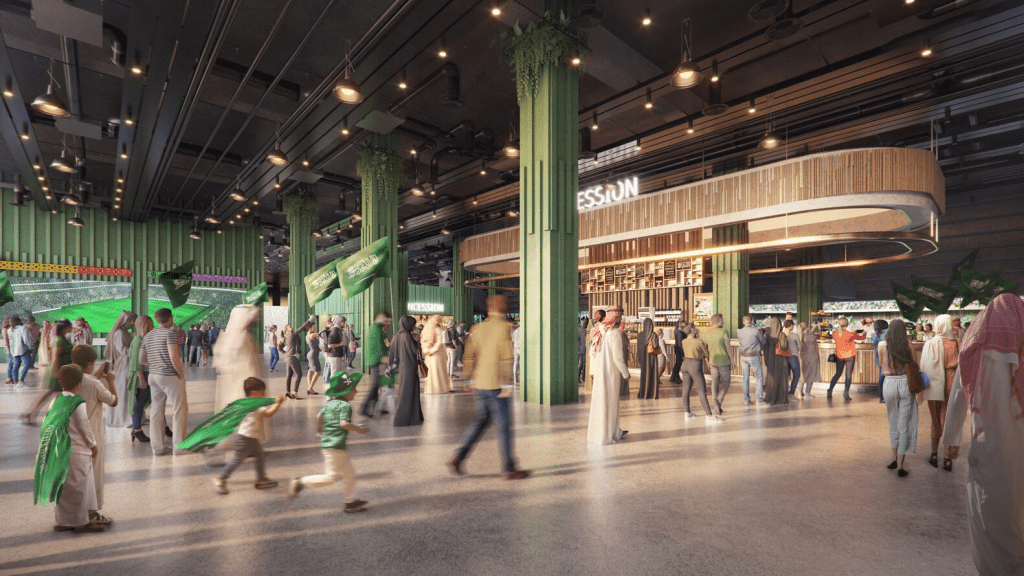
Once the FIFA World Cup 2034™ is over, the stadium will become the permanent home of a professional football club and host various significant sporting and entertainment events.
This development will contribute to the community by leaving a lasting impact and making the stadium a beloved landmark in Wadi Namar.
King Saud University Stadium
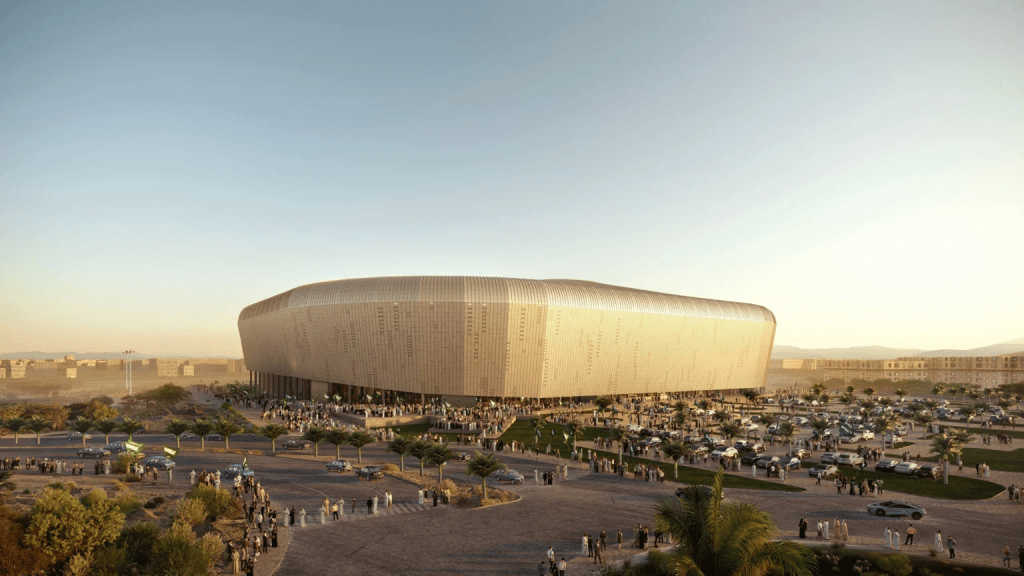
The construction of King Saud University Stadium has been entrusted to Hashem Contracting Company, utilizing the designs of Michael KC Cheah and his spouse, Steph. The stadium, which currently exists in Riyadh, will be renovated in preparation for the 2034 World Cup.
Its capacity of 46,319 will allow it to host Round of 32 matches by 2032. Improvements will primarily concentrate on improving the comfort of spectators and updating the stadium’s amenities.
Qiddiya Coast Stadium
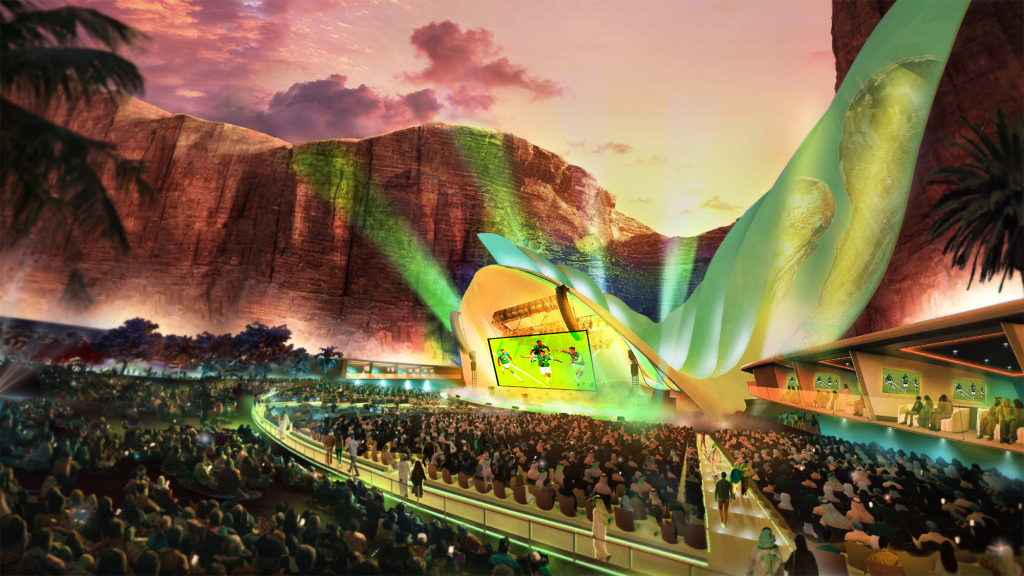
The Qiddiya Coast Stadium, which is part of the Qiddiya Coast Development and is expected to be finished by 2032, will have a seating capacity of 46,096. It has been selected to host the Round of 16 games in the 2034 World Cup.
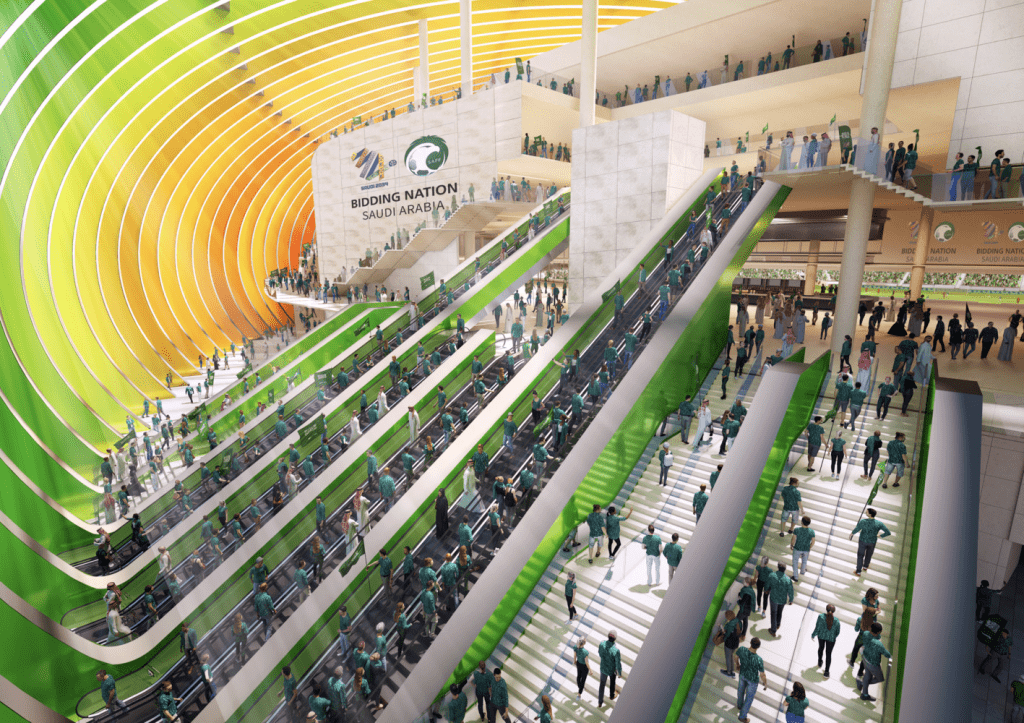
The stadium will boast a cutting-edge design and modern amenities, aiming to elevate the overall fan experience and cater to the logistical requirements of the event.
Jeddah: A Historical City
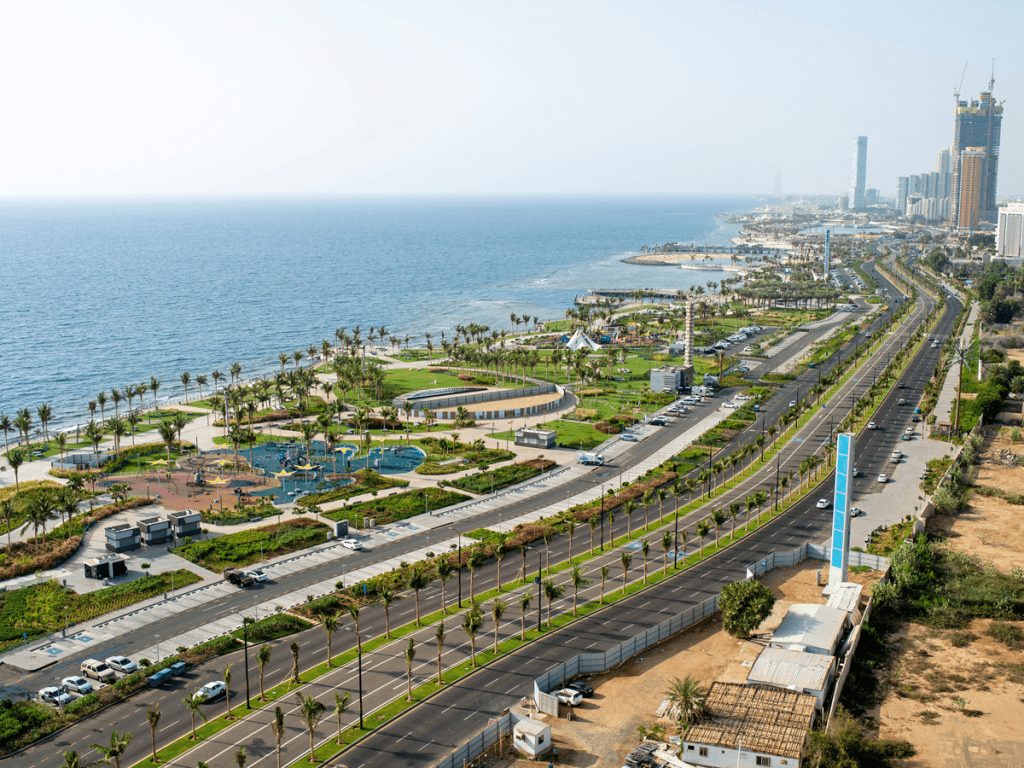
Jeddah, Saudi Arabia’s second-largest city, holds a key coastal location along ancient trade routes. Known as a modern commercial hub, it stands out as the nation’s most culturally diverse city, seamlessly combining its historical roots with contemporary flair.
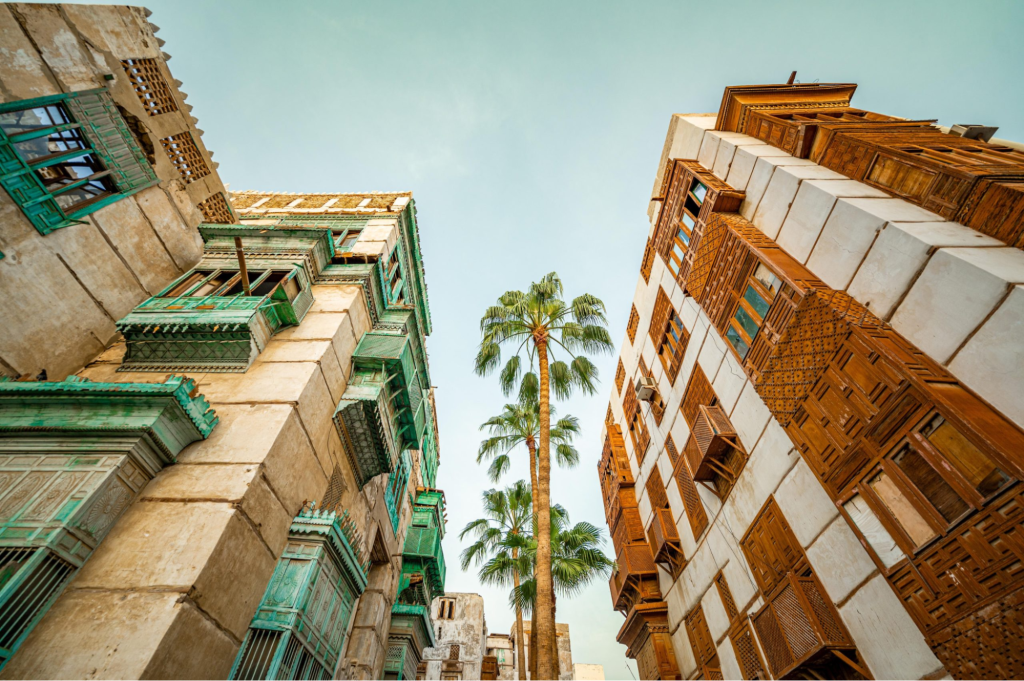
At the heart of Jeddah lies Al Balad, a UNESCO World Heritage site celebrated for its distinctive architecture, mouthwatering local dishes, and vibrant music scene.
The city will showcase several architectural marvels, including:
- King Abdullah Sports City Stadium
- King Abdullah Economic City Stadium
- Jeddah Central Development Stadium
- Qiddiya Coast Stadium
The King Abdullah Sports City Stadium
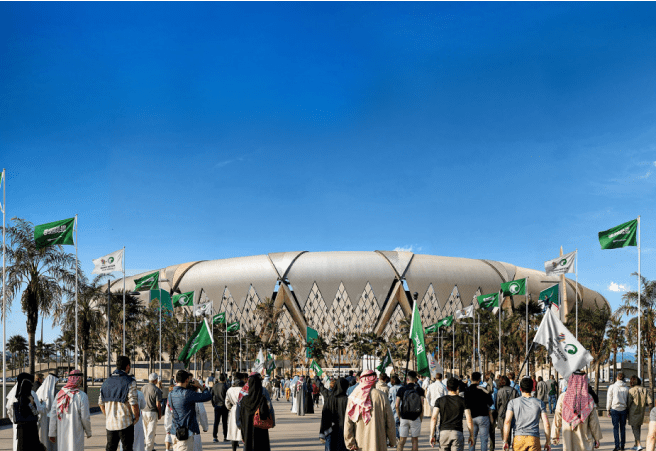
The King Abdullah Sports City Stadium, an existing venue with a capacity of 58,432, will undergo refurbishment to meet FIFA’s stringent standards. The stadium is the second largest in Saudi Arabia following the King Fahd Stadium in Riyadh has also hosted matches for the 2023 FIFA Club World Cup.
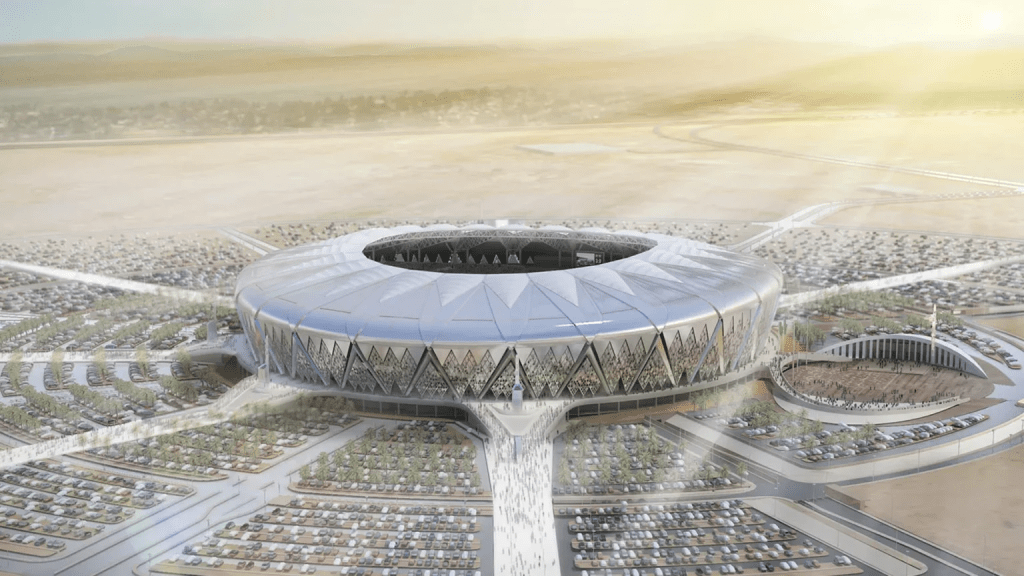
This stadium, known for its distinctive geometric architecture inspired by Islamic culture, is set to undergo renovations and be completed by 2032 to host quarter-final games for the 2034 World Cup.
These renovations will ensure the stadium meets the requirements for hosting important international games.
King Abdullah Economic City Stadium
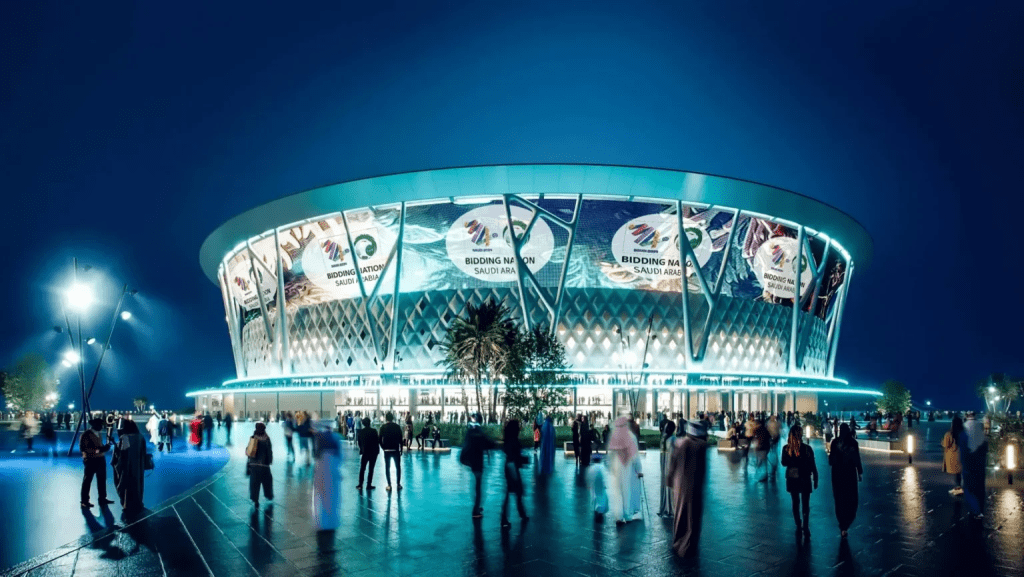
The King Abdullah Economic City Stadium, scheduled for completion in 2032, will accommodate 45,700 spectators and host the Round of 32 matches.
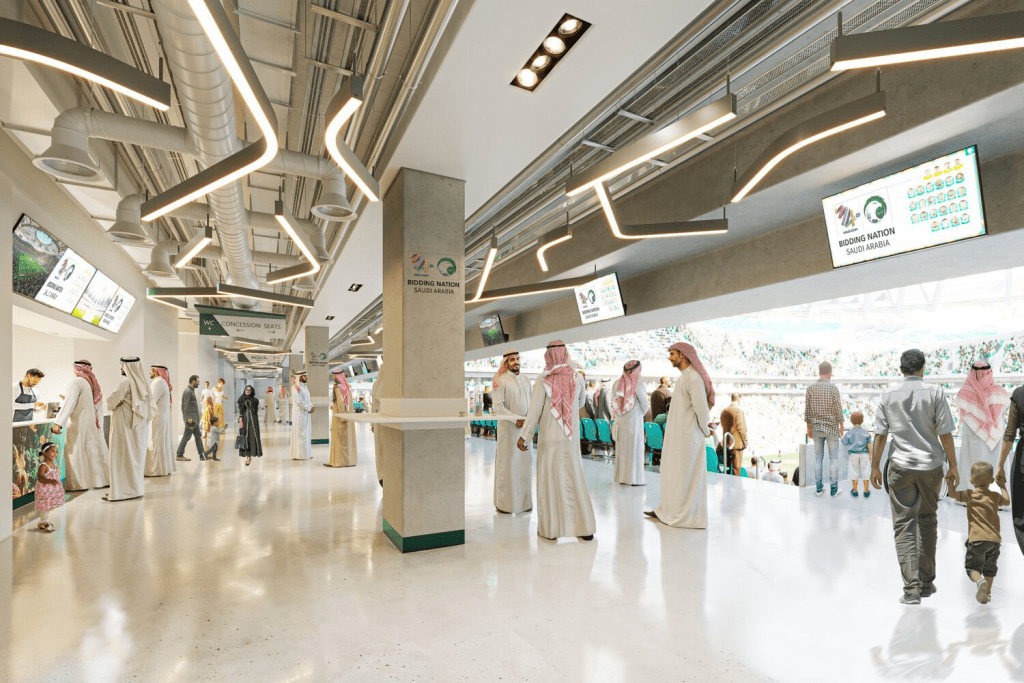
Inspired by the Red Sea‘s coral reefs, this organic design blends with the coastal environment, offering a multifunctional hub for sports, entertainment, and community engagement.
Jeddah Central Development Stadium

The Jeddah Central Development Stadium, with a seating capacity of 45,794, is currently being constructed and is expected to be completed by 2027. Its purpose is to host the Round of 32 games for the 2034 World Cup.
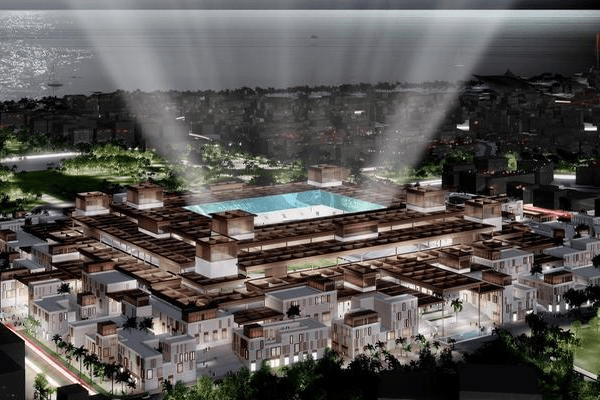
The main focus of the stadium’s construction is on sustainability and modern infrastructure, creating an ideal environment for players and spectators. GMP International is responsible for its design, which includes a roof equipped with kinetic elements that can regulate sunlight and temperature.
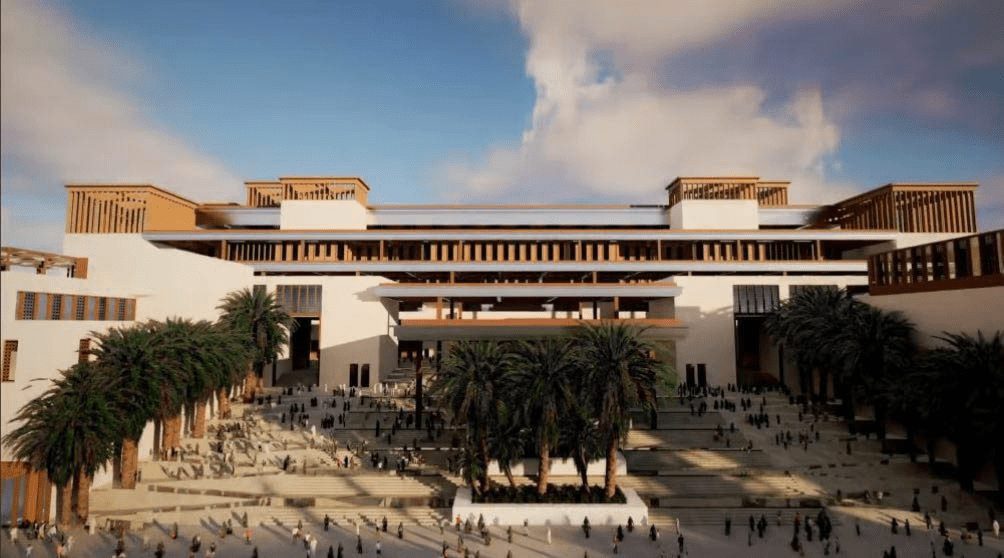
The stadium will also feature various entertainment areas, such as an e-sports center. Its design includes vast open spaces, lush green parks, a world-class playing field, and a dynamic platform that will bring together international events, promoting a healthier and more active lifestyle within the city’s community.
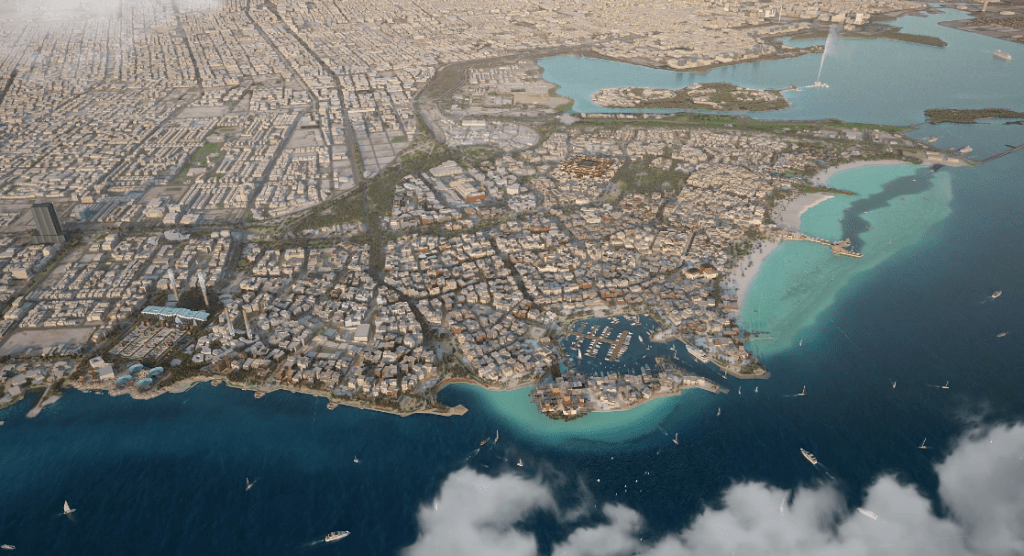
As part of the Jeddah Central Project, the stadium will be one of four iconic structures: a museum, an opera house, and an oceanarium. It comprises three tiers and is connected to four surrounding “villages” via an outer concourse.
The stadium bowl is fully covered by a semi-transparent roof with a retractable inner roof and a 360° LED screen.
Al Khobar: Where Sea Meets the Pitch
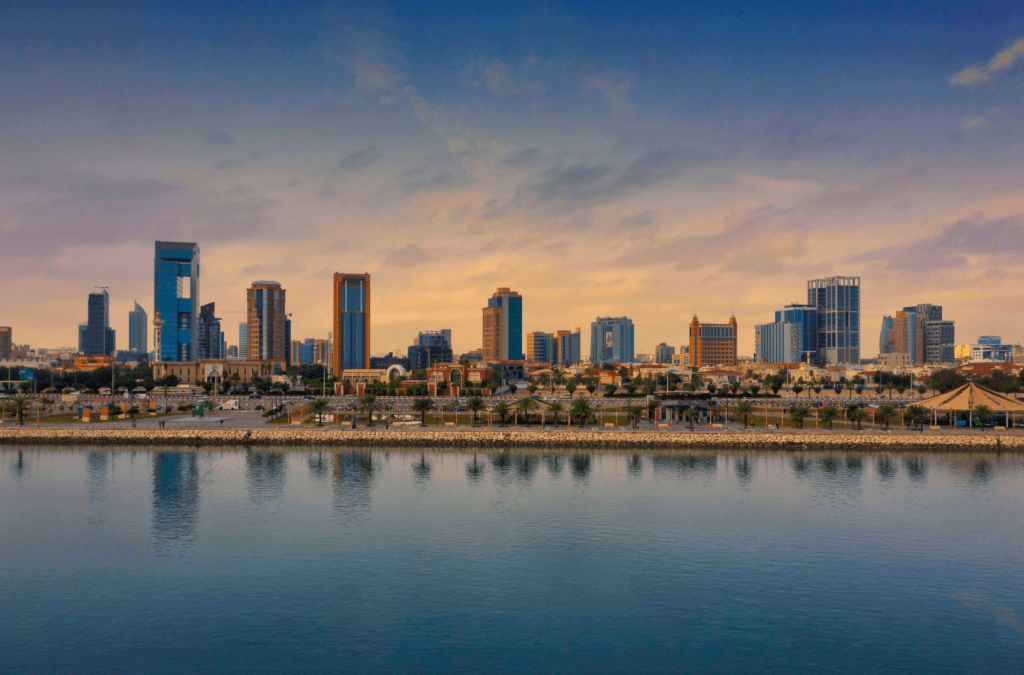
Situated in Saudi Arabia’s Eastern Province, Al Khobar is a modern city seamlessly linked with Dammam, Dhahran, and Al Qatif.
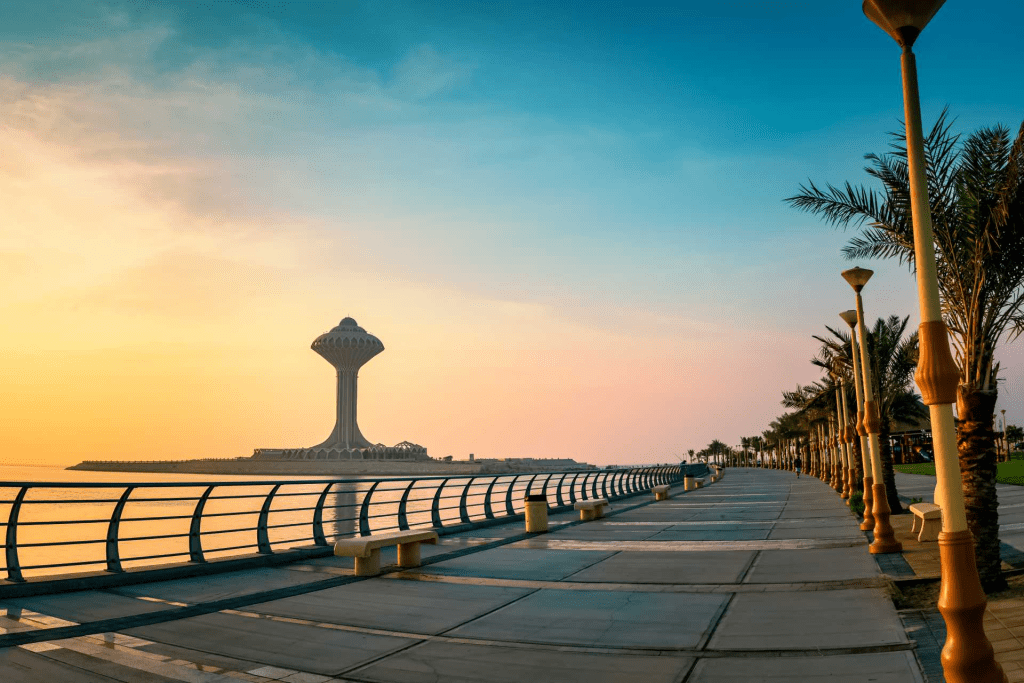
The city is also home to King Abdulaziz Port, one of the nation’s largest maritime hubs. Among its highlights are the bustling Share Al Hob Souq, featuring a 350-meter stretch of shops offering souvenirs and local treats, as well as the scenic Khobar Corniche.
Aramco Stadium

Al Khobar will be the stage for the Aramco Stadium, a 46,096-seat venue currently under construction and slated for completion by 2026.
Designed to mimic the natural whirlpools that grace the warm summer waters, this stadium’s interlocking sails and wave-inspired decorations will create a harmonious fusion of sport and coastal splendor, hosting the Round of 16 matches.
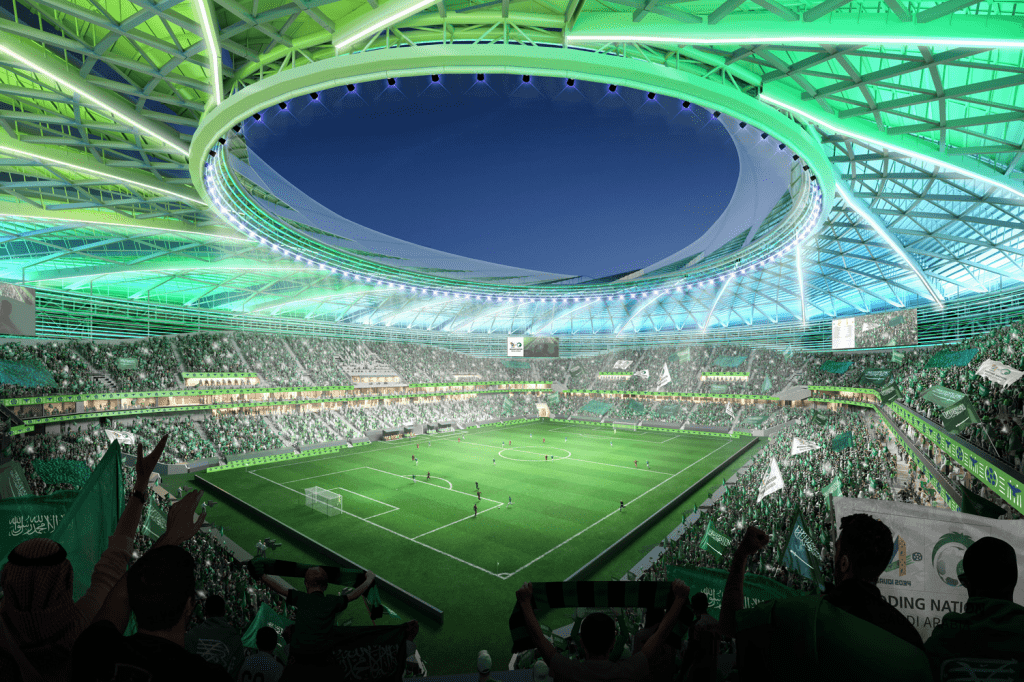
It will host the Round of 16 matches during the 2034 World Cup. The renovation will focus on upgrading the stadium’s infrastructure and amenities, ensuring it meets international standards.
Additionally, the project will be overseen by Foster + Partners as the project consultant, including the construction of temporary office buildings and other necessary facilities.
Abha: Where History Meets Modernity
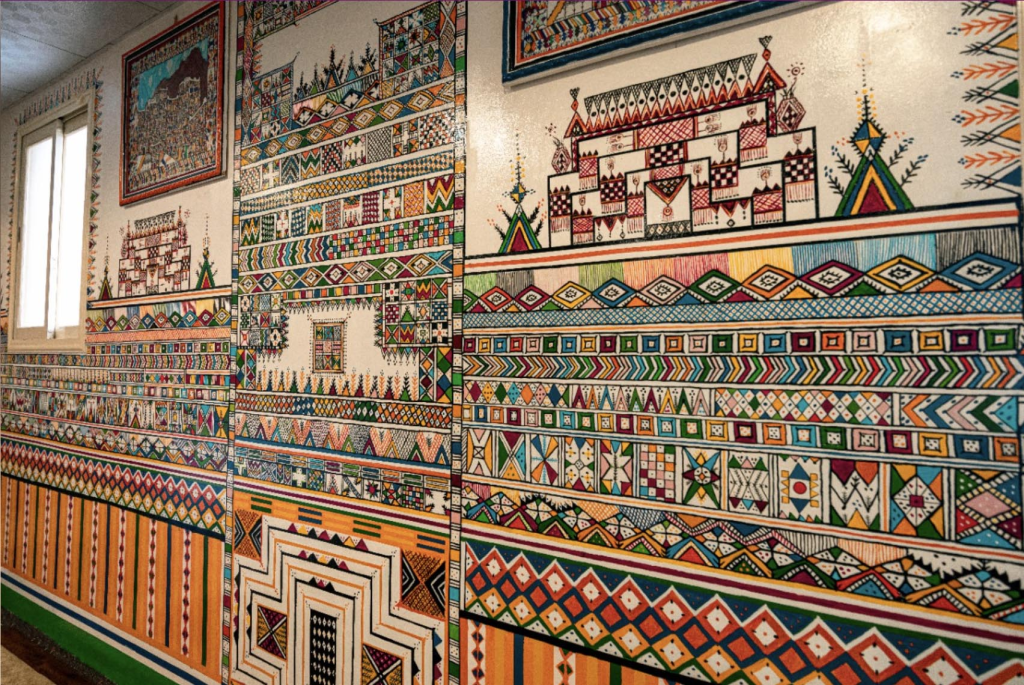
Nestled in the southwestern corner of Saudi Arabia, Abha shines as the stunning capital of the Aseer region. This vibrant city spans a large metropolitan area, including Khamis Mushayt and Ahad Rafidah.
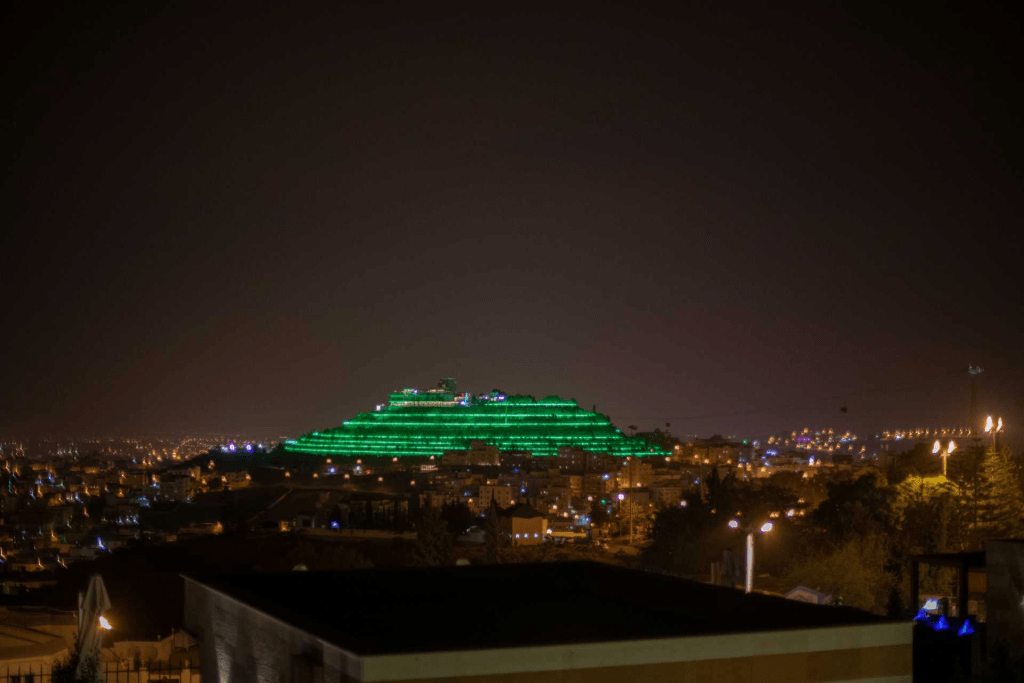
Set at a breathtaking altitude of 2,200 meters within the verdant Sarawat Mountains, Abha boasts the tallest and most extensive mountain range in the nation.
The King Khalid University Stadium
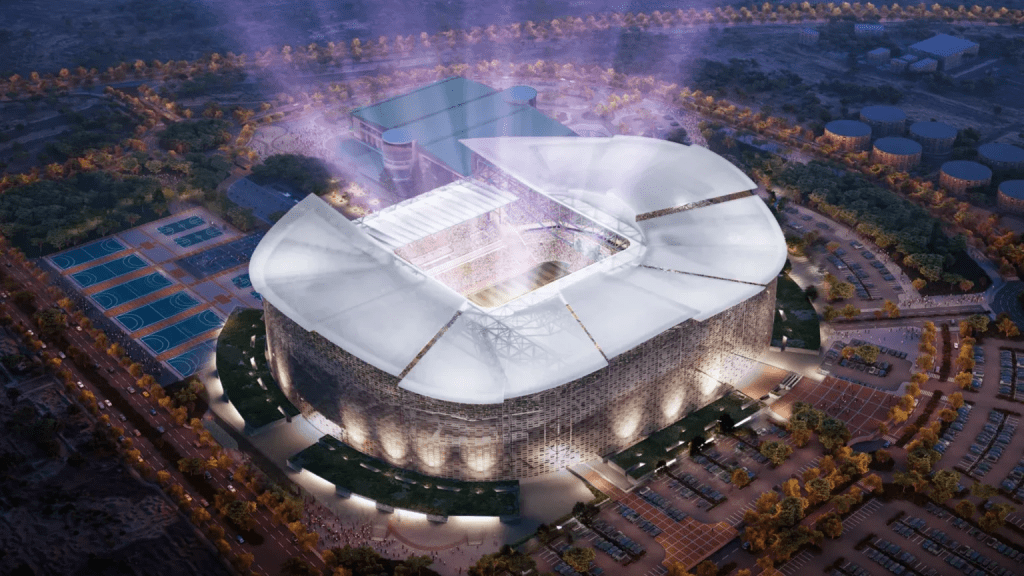
The King Khalid University Stadium will temporarily expand, increasing its capacity from 22,000 to over 45,000 spectators for the 2034 World Cup.
This renovation will modernize the stadium’s infrastructure while preserving its historical significance, ensuring a seamless blend of heritage and cutting-edge facilities.

The upgraded venue will host the Round of 16 matches and continue to serve as a hub for community events and a professional football club after the tournament.
NEOM: A Visionary Gigaproject
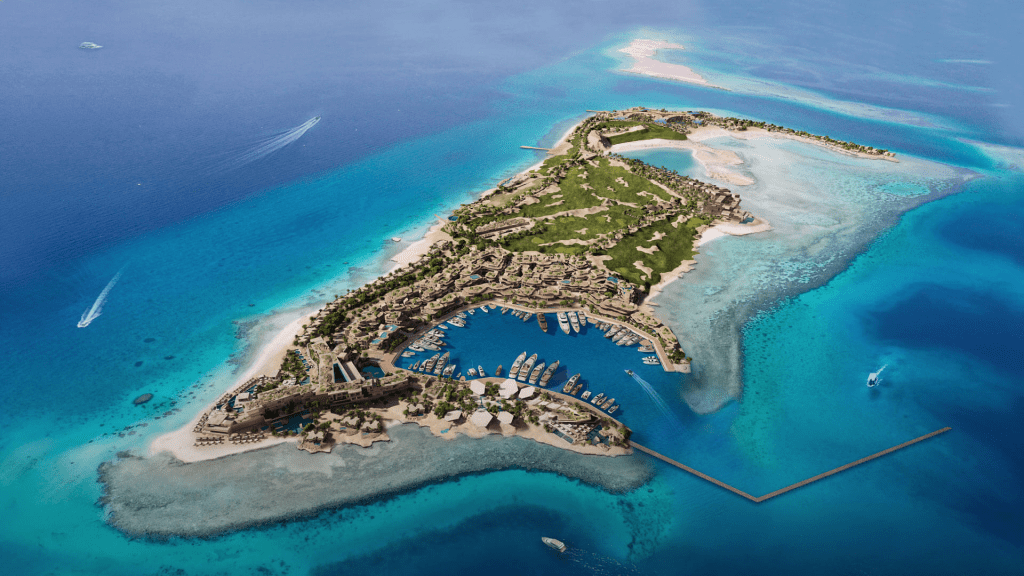
NEOM, a visionary $1 trillion initiative, is located along the Red Sea in northwest Saudi Arabia. This ambitious project is being developed as an innovative experiment aimed at advancing humanity.
Designed to be both a vibrant destination and a place of residence, NEOM will attract individuals with bold ideas who are passionate about contributing to new solutions for sustainable living, business, and environmental conservation.
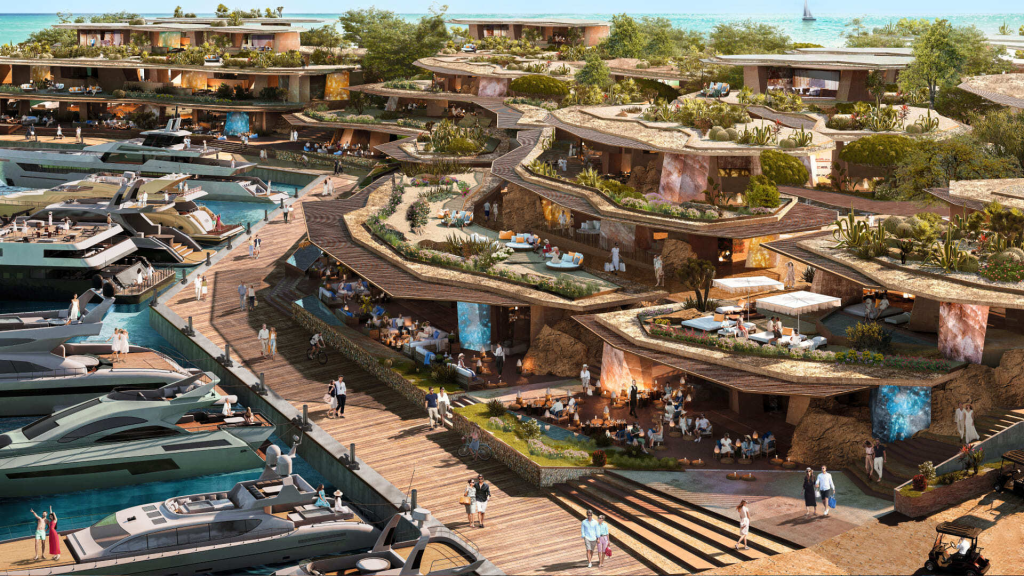
As NEOM grows into a global center, it will include smart cities, advanced ports, research institutions, and unique tourist destinations.
NEOM Stadium
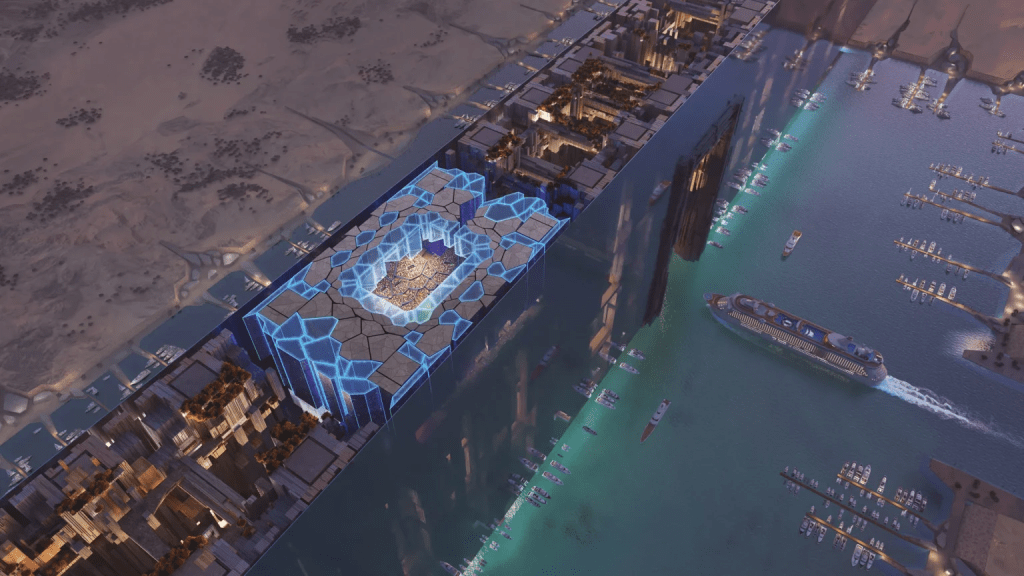
NEOM will be home to the world’s most distinctive and iconic stadium, the NEOM Stadium.
Situated within THE LINE, this stadium will soar over 350 meters above ground, providing an unprecedented and exceptional experience for fans attending the quarter-final matches.
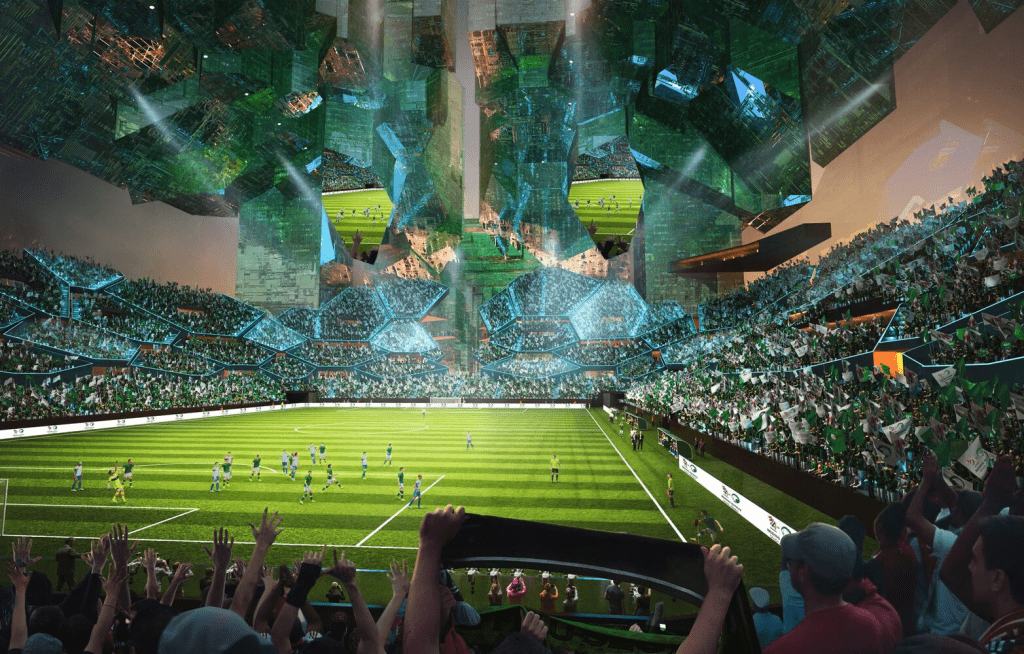
Powered entirely by renewable energy sources, primarily wind and solar, the NEOM Stadium will mark a historic shift in stadium design, setting new benchmarks for sustainability and environmental consciousness on a global scale.
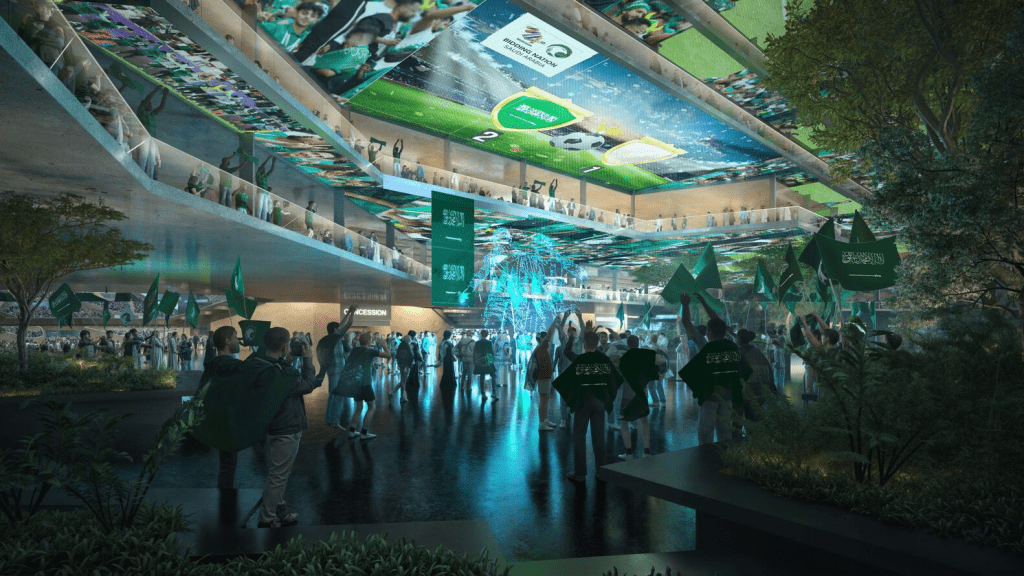
After the World Cup, this architectural marvel will become the centerpiece of the city’s sports-focused neighborhood, hosting professional football matches and major events for the city’s residents and visitors.
Alignment with Vision 2030
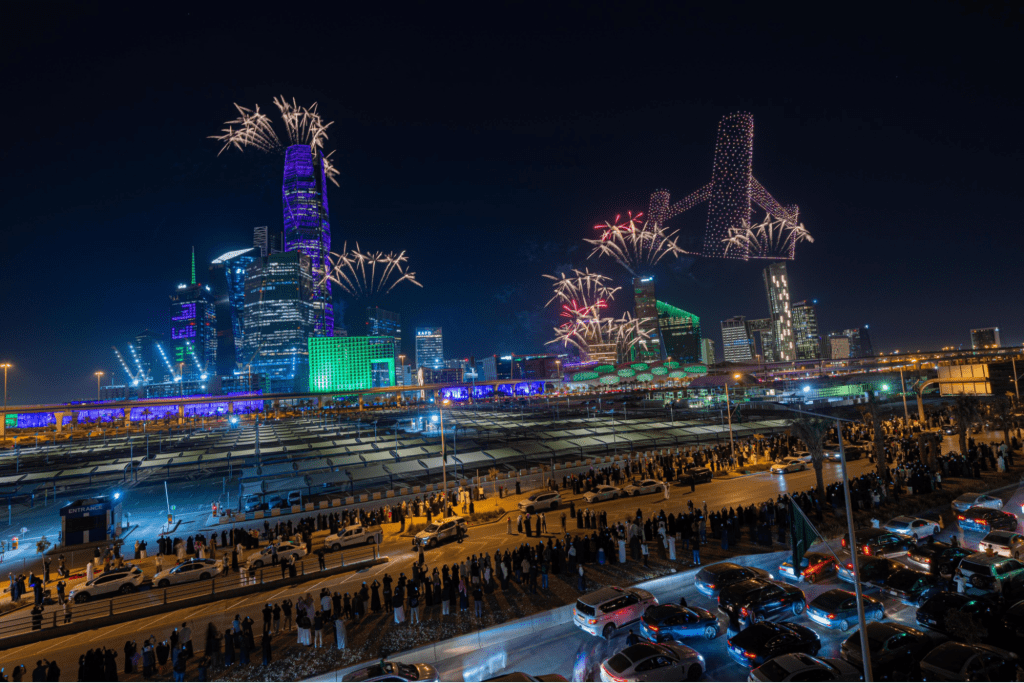
Saudi Arabia’s bid for the 2034 World Cup was not merely a standalone effort but a carefully orchestrated component of the country’s broader Vision 2030 initiative.
This ambitious economic and social reform program, spearheaded by Crown Prince Mohammed bin Salman, aims to diversify the Kingdom’s economy and reduce its dependence on oil.
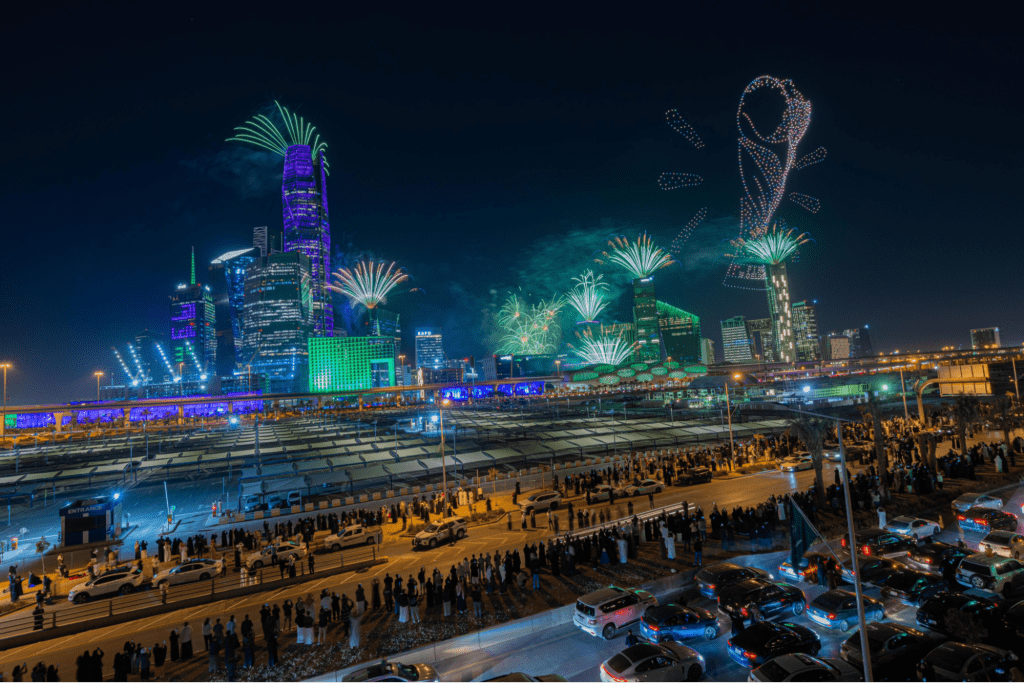
Hosting the World Cup aligns perfectly with these goals, promising to boost tourism, create jobs, and showcase Saudi Arabia’s modernization efforts on a global stage.
Saudi Arabia’s Sports Revolution
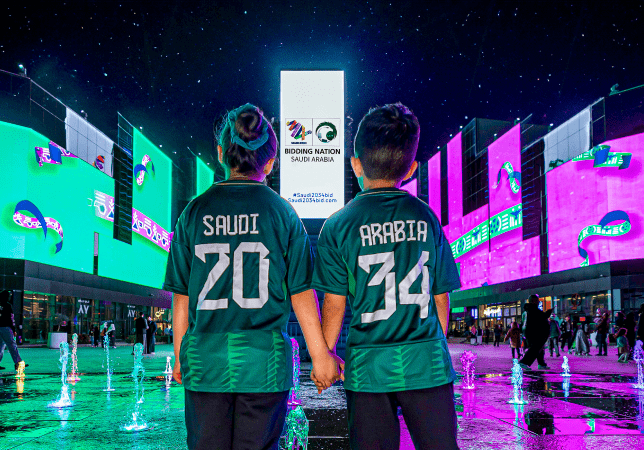
The awarding of the 2034 FIFA World Cup to Saudi Arabia marks a significant milestone in the Kingdom’s journey towards becoming a global sports and entertainment destination.
The 2034 FIFA World Cup in Saudi Arabia represents more than just a sporting event; it symbolizes a nation’s ambition to redefine its role on the world stage and an opportunity for the global community to engage with a rapidly changing Middle East.
Keep Reading: Saudi Arabia World Cup Bid Showcases Plans for New Stadiums and Hotels


