


Saudi Arabia is set to partially launch the long awaited Riyadh Metro on November 27th, 2024, which is due to become the world’s longest driverless metro system.
The $22.5 billion Riyadh metro project will open 3 of its 6 lines initially, with full operation due to begin by mid December.
Ticket prices and exciting discounts are due to be announced soon.
First Phase Launch of Riyadh Metro
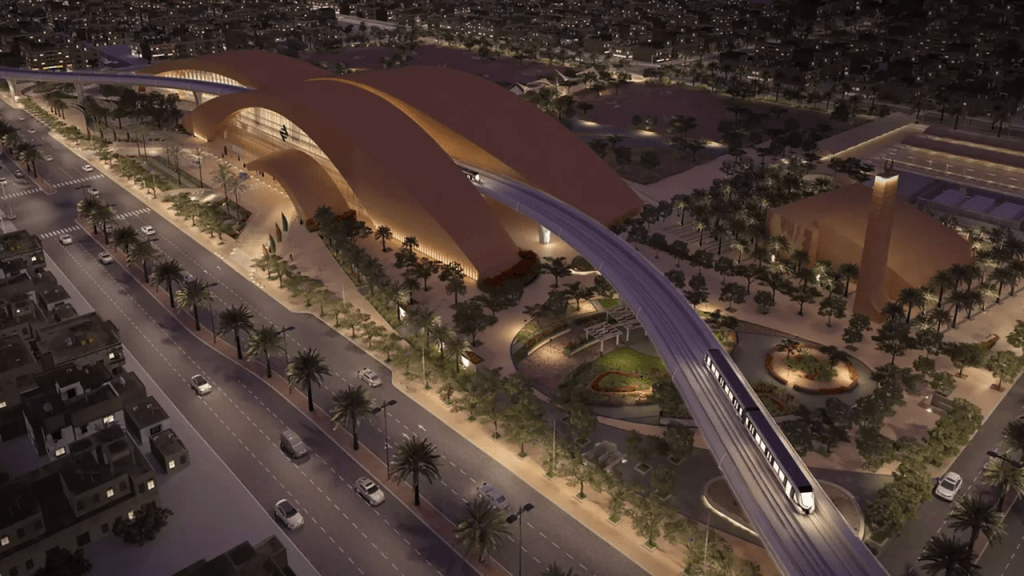
The first phase of the launch, scheduled for November 27, 2024, will see three of the six planned lines begin operations. This initial phase will cover key areas of the city, providing immediate relief to some of Riyadh’s busiest corridors.
The routes set to open include the line from Al-Orouba to Batha, the line along King Khalid International Airport Road, and the line intersecting Abdulrahman Bin Auf Street with Sheikh Hassan Bin Hussein Street.
Second Phase Launch of Riyadh Metro
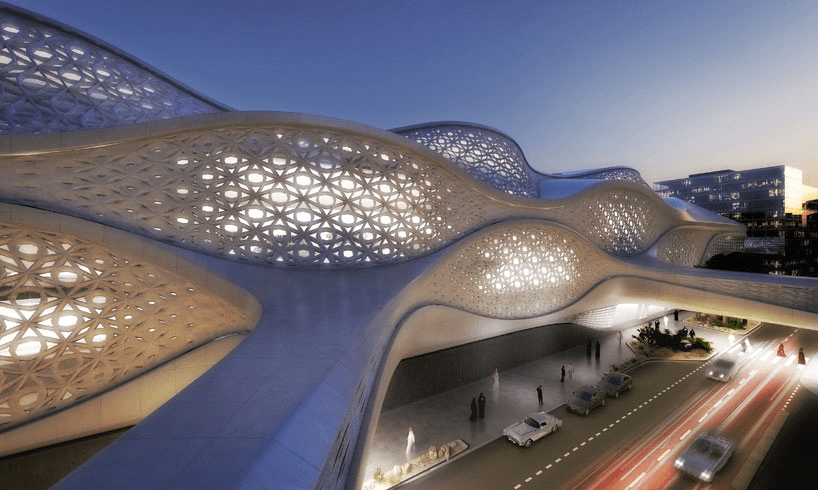
The second phase, planned for mid-December, will introduce services along three additional lines: King Abdullah Road, Al-Madina, and King Abdulaziz Road.
This expansion will significantly increase the network’s coverage, connecting more residential areas, business districts, and cultural landmarks. This phased approach offers several advantages.
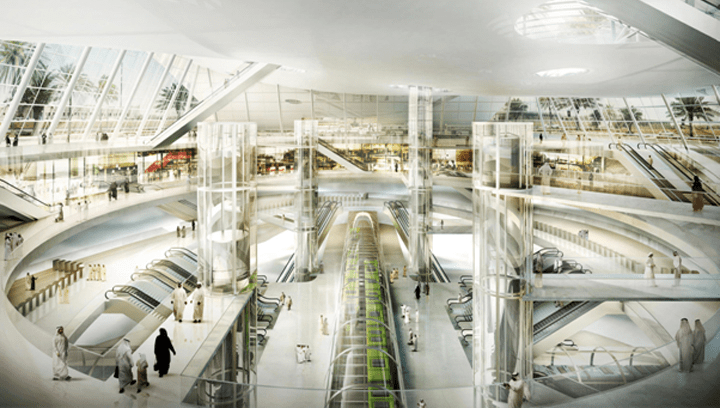
It allows for thorough testing and fine-tuning of operations on a smaller scale before expanding to the full network. It also provides an opportunity to gather real-world data and feedback from early users, which can be used to optimize services and address any unforeseen issues.
Riyadh Metro’s Infrastructure
The Riyadh Metro represents far more than a transportation network; it stands as a powerful symbol of Saudi Arabia’s dedication to pioneering technology and environmental sustainability.
The metro system showcases an array of state-of-the-art features, ranging from energy-conserving trains and stations to the comprehensive integration of sustainable power sources, including strategically placed solar panel installations.
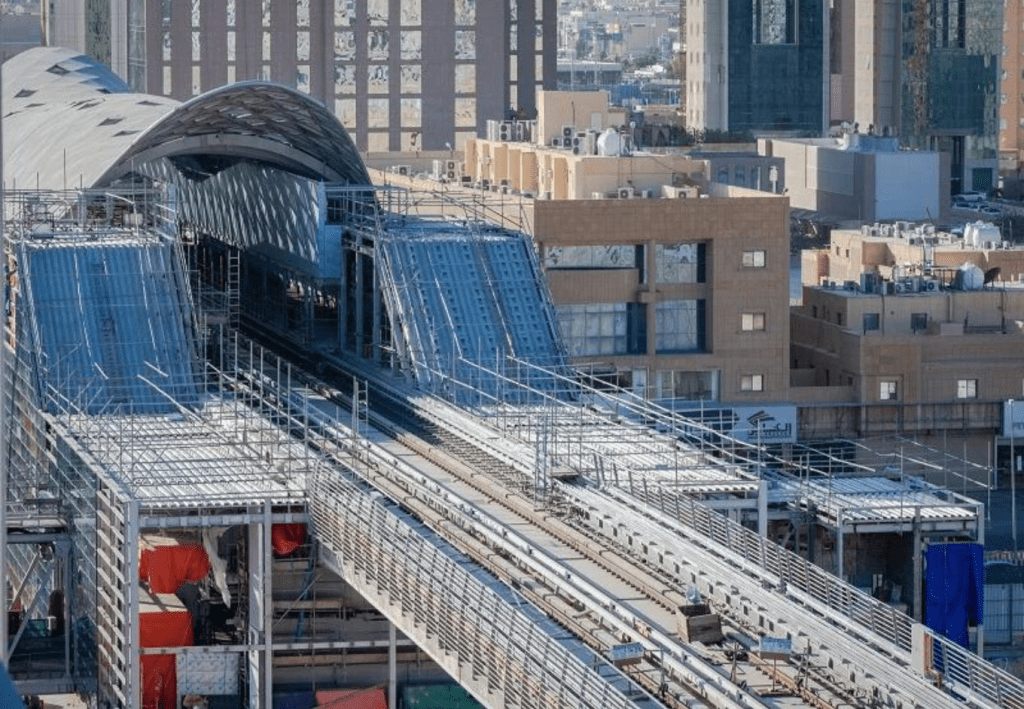
Furthermore, the development’s architectural blueprint emphasizes universal accessibility and inclusion, with every station and train carriage thoughtfully designed to serve passengers with disabilities, thereby fostering equitable access to public transit.
The Riyadh Metro Lines
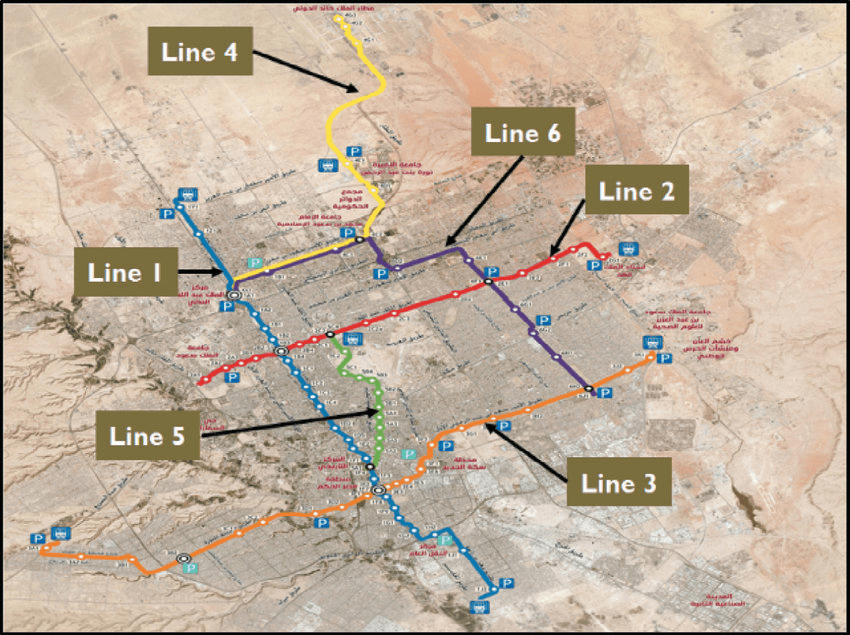
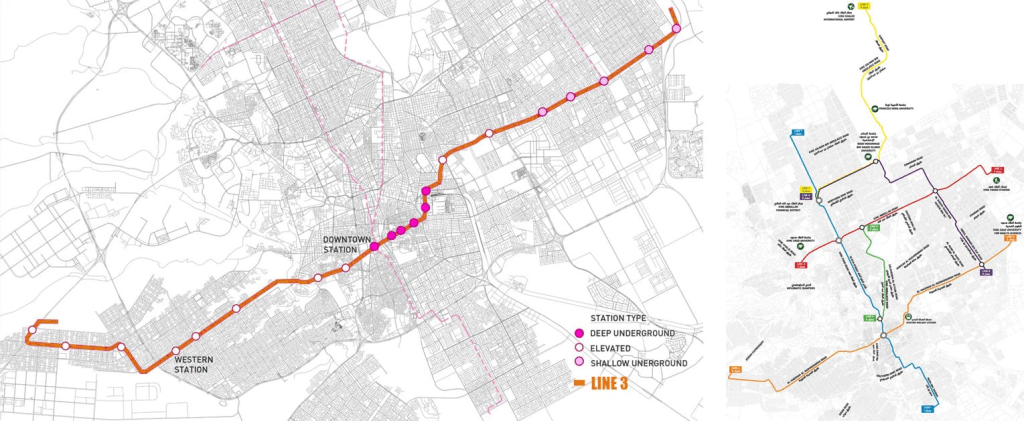
The cornerstone of the Riyadh Metro project is its comprehensive network of 6 distinct metro lines, covering a remarkable distance of 176 kilometers (109 miles).
This sophisticated railway network, featuring 85 carefully positioned stations, will effectively link the city’s crucial areas, educational centers, business districts, and transportation hubs, encompassing both the King Khalid International Airport and the distinguished King Abdullah Financial District (KAFD).

To comprehend the magnitude and significance of the Riyadh Metro, we’ll examine each of the six lines designed to interconnect the city’s diverse communities and notable landmarks.
Line 1 (Blue Line)
Running from Al Olaya in the northern sector to Al Hayer Road in the south, the Blue Line extends an impressive 38 kilometers (24 miles) and encompasses 22 stations, including four interchange stations that provide smooth connections to other metro routes.
Line 2 (Red Line)
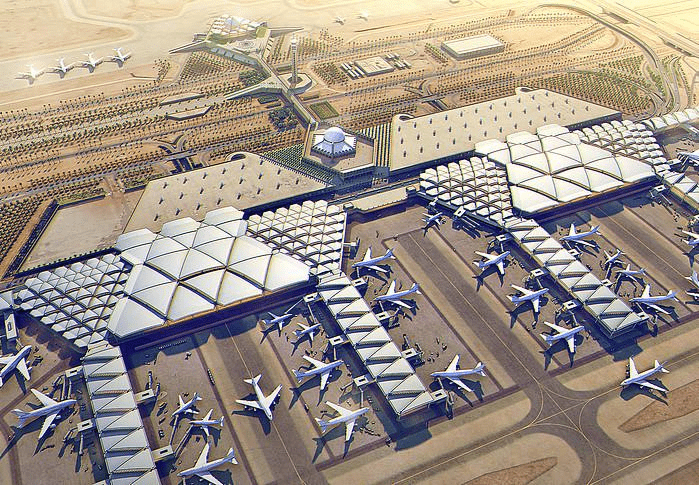
Covering 25.3 kilometers (16 miles), the Red Line connects Alstom Street in the western region to Salah Al Din in the east, featuring key stops at the King Khalid International Airport and the prestigious King Abdullah Financial District.
With 13 stations and three transfer hubs, this line aims to transform travel efficiency for business professionals and financial sector workers.
Line 3 (Orange Line)
Serving as the network’s most extensive route, the Orange Line spans an impressive 40.7 kilometers (25 miles) from Madina Al Munawra to Rahman Al Awal Road. Given its extensive coverage and multiple stations, this line is destined to become a crucial transportation artery for city commuters.
Line 4 (Yellow Line)

Establishing a vital link between the King Khaled International Airport and the emerging King Abdullah Financial District (KAFD), the Yellow Line extends 29 kilometers (18 miles) with eight strategically placed stations.
This route will be essential in facilitating efficient travel for business and leisure passengers.
Line 5 (Green Line)
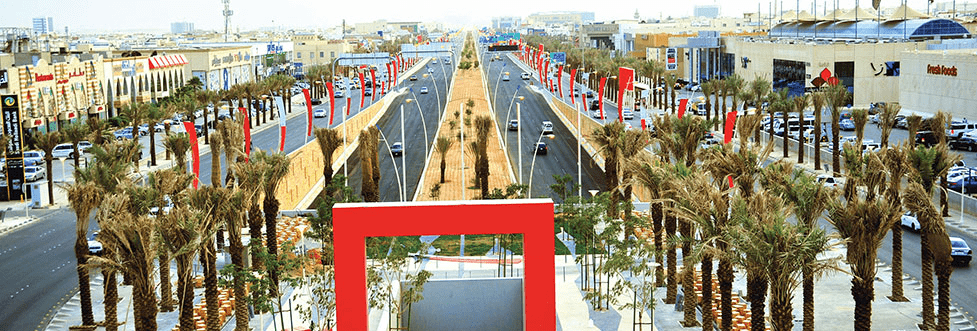
Extending across 13 kilometers (8 miles) and featuring 11 meticulously planned stations, including two vital transfer points, the Green Line embarks on its route from the bustling King Abdul Aziz Road.
This strategic line has been carefully designed to cater to the diverse transportation needs of residents and commuters in Riyadh’s central districts.
Line 6 (Purple Line)
The Purple Line, predominantly operating above ground, extends an impressive 21 kilometers (13 miles) and encompasses six state-of-the-art stations.
Initiating its journey at the prestigious KAFD, this line terminates at Prince Saad Ibn Abdulrahman Al Awal Road, offering comprehensive mobility solutions for both local residents and city visitors.
Riyadh Metro Stations
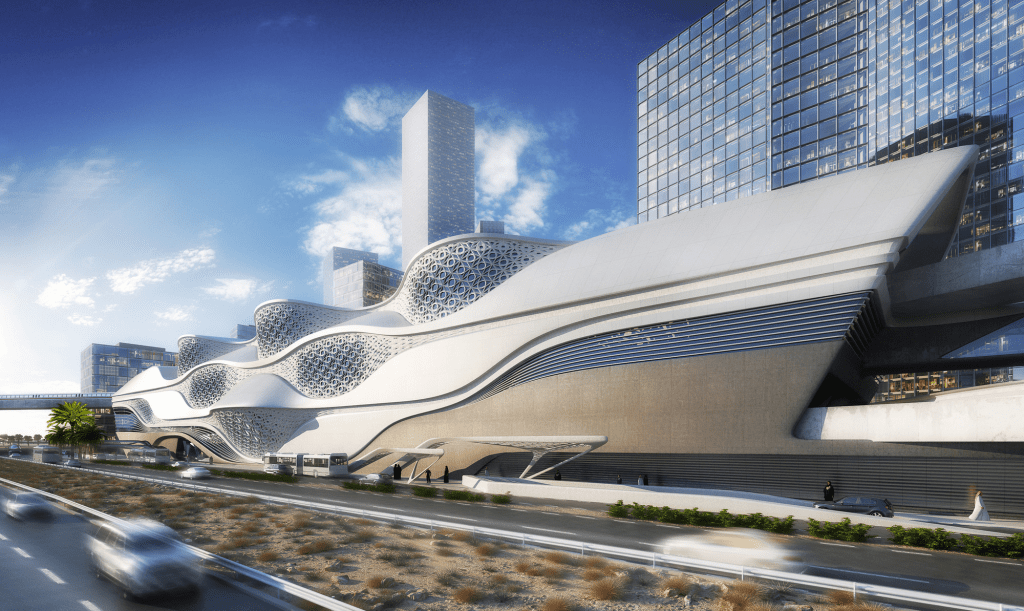
Each station within the expansive Riyadh Metro network has been engineered to deliver an exceptional travel experience, with several landmark stations emerging as premier connectivity hubs, setting new standards in urban transportation convenience.
These strategically positioned stations will function as crucial transfer points, enabling passengers to transition effortlessly between various metro lines and the comprehensive, integrated bus network.
Qasr Al Hokm Metro Station
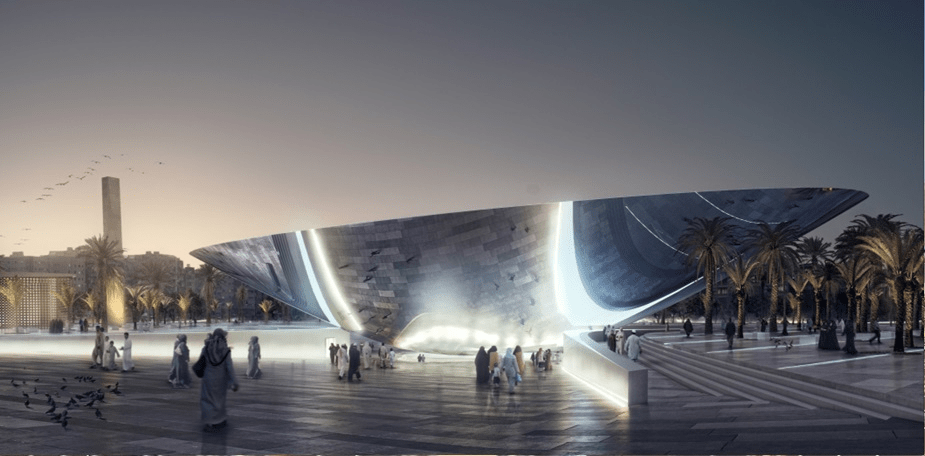
Positioned as a central interchange in Riyadh’s core, the Qasr Al Hokm Metro Station connects the Blue and Orange lines. This architectural marvel is designed to evolve into a dynamic transportation hub, featuring comprehensive amenities and services that elevate the passenger journey.
King Abdullah Financial District Station
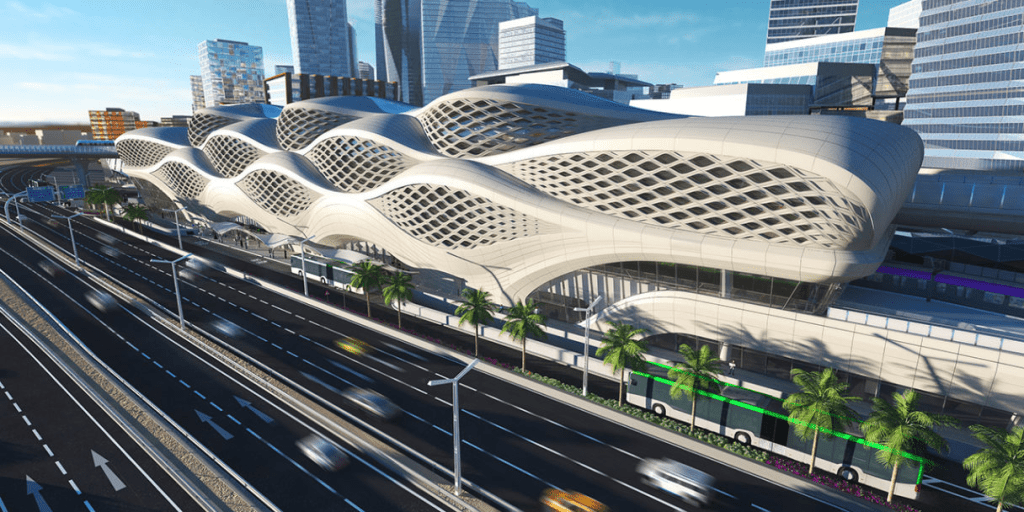
Located strategically on the eastern periphery of the prestigious KAFD, this advanced station serves as a convergence point for the Blue, Yellow, and Purple lines, specifically designed to meet the transportation requirements of financial professionals and business travelers.
Western Station
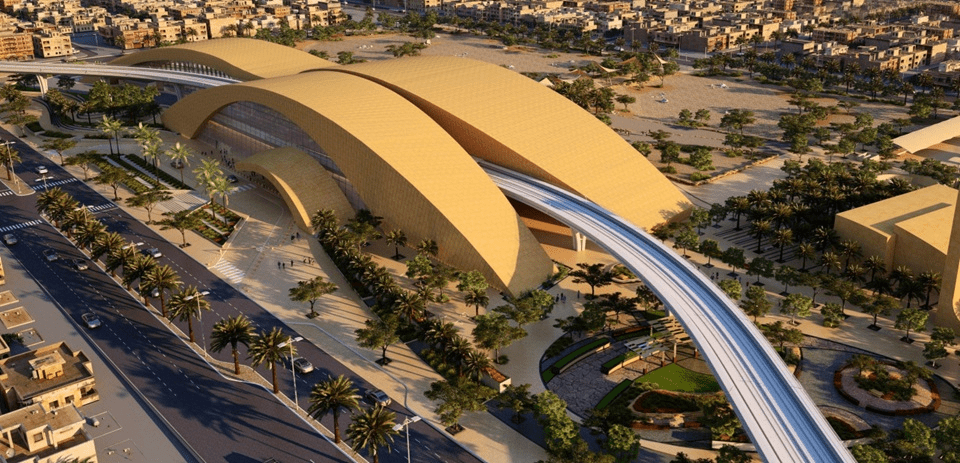
The Western Station, located in the vibrant Al Sweedi district, functions as a primary hub for the Orange line, featuring seamless integration with a dedicated bus service along Shiekh Mohammad bin Abdul Latif Street.
This facility is positioned to become an essential transportation nexus for western Riyadh’s commuting population.
Olaya Station
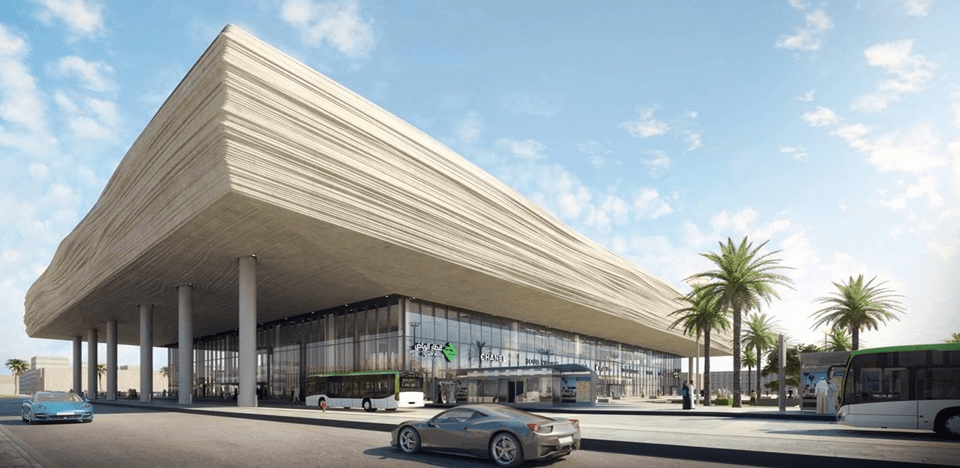
The Olaya Metro Station, situated at the intersection of Lines 1 and 2, features an impressive public plaza, expansive entrance hall, and open concourse design. Encompassing 68.85m² with a volume of 387m³, this project represents a significant $20m investment from ADA.
Intelligent Fare System
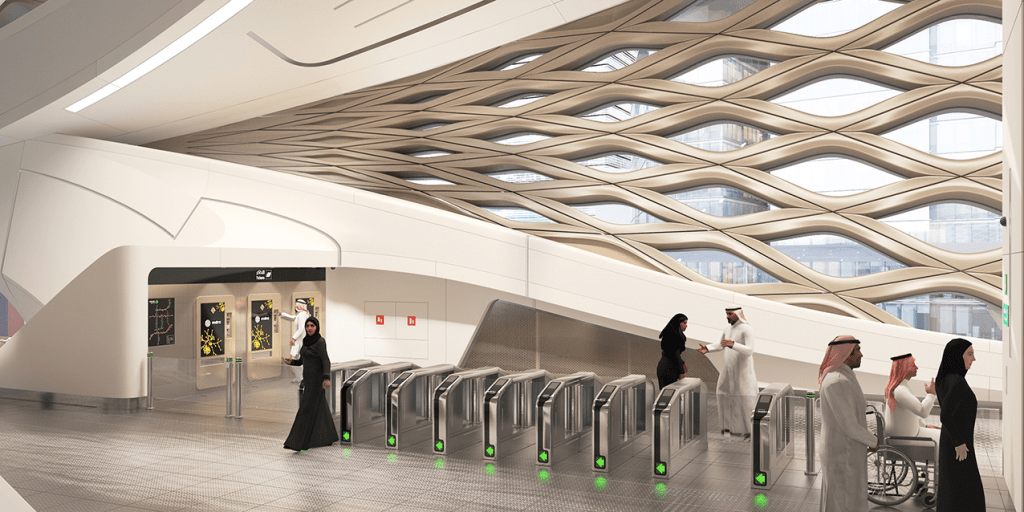
The Riyadh Metro incorporates a cutting-edge intelligent fare system designed for optimal user convenience. Passengers can access smart cards through various channels, including station kiosks and online platforms.
This advanced system utilizes near-field communication (NFC) technology to enable contactless payments, ensuring secure and efficient fare collection while demonstrating the project’s commitment to technological innovation and passenger convenience.
Sustainable Features
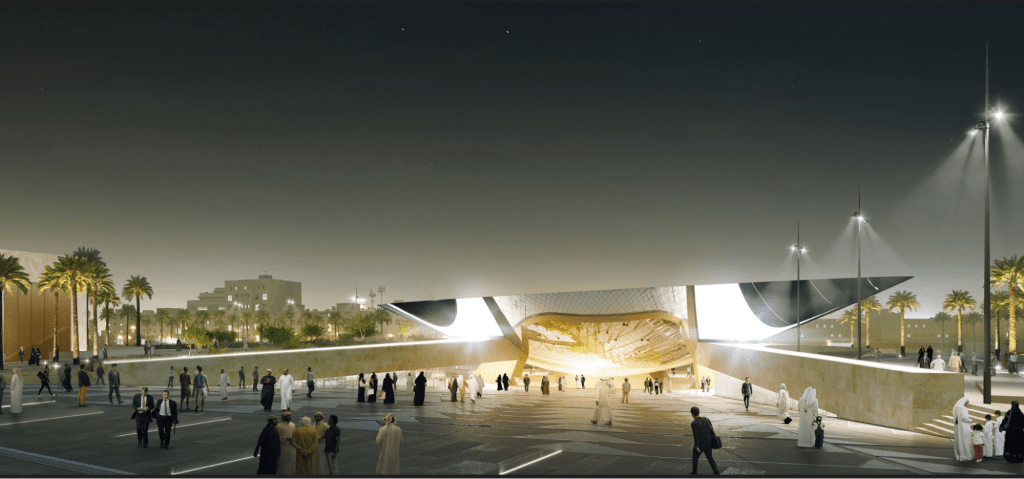
The Riyadh Metro project stands as both a transportation masterpiece and a shining example of Saudi Arabia’s dedication to environmental sustainability
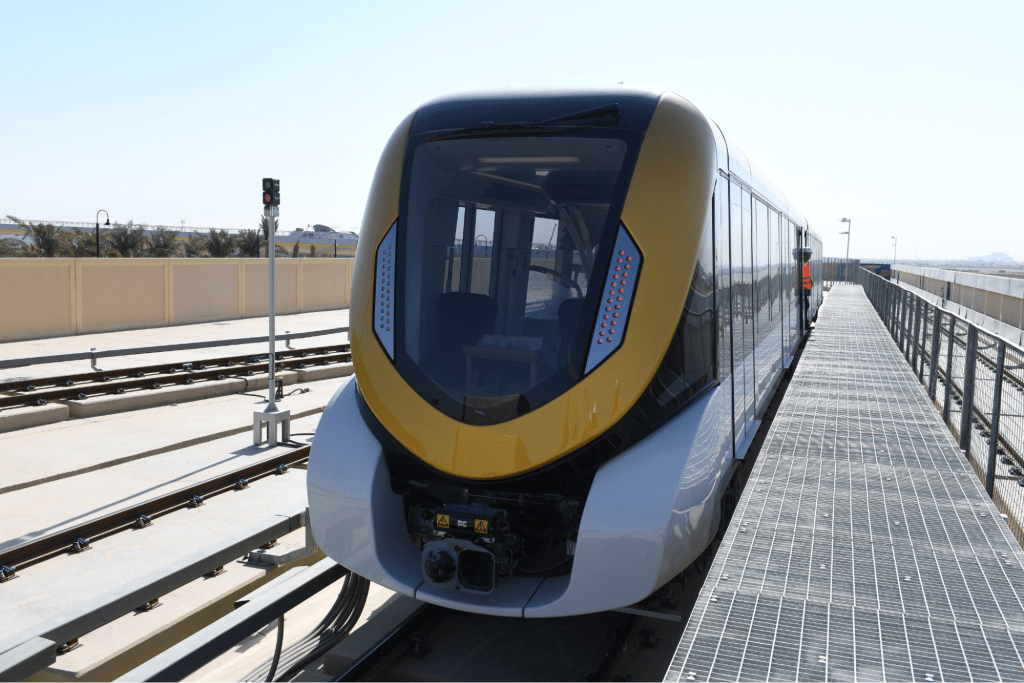
A standout feature is the integration of Alstom’s HESOP (Harmonic Energy Saver) system, an advanced technology that captures and repurposes energy generated during train braking.
This groundbreaking implementation is projected to achieve significant reductions in carbon emissions while generating substantial annual power savings, reinforcing the Riyadh Metro’s status as a pioneer in sustainable urban transportation.
Ticketing and Accessibility
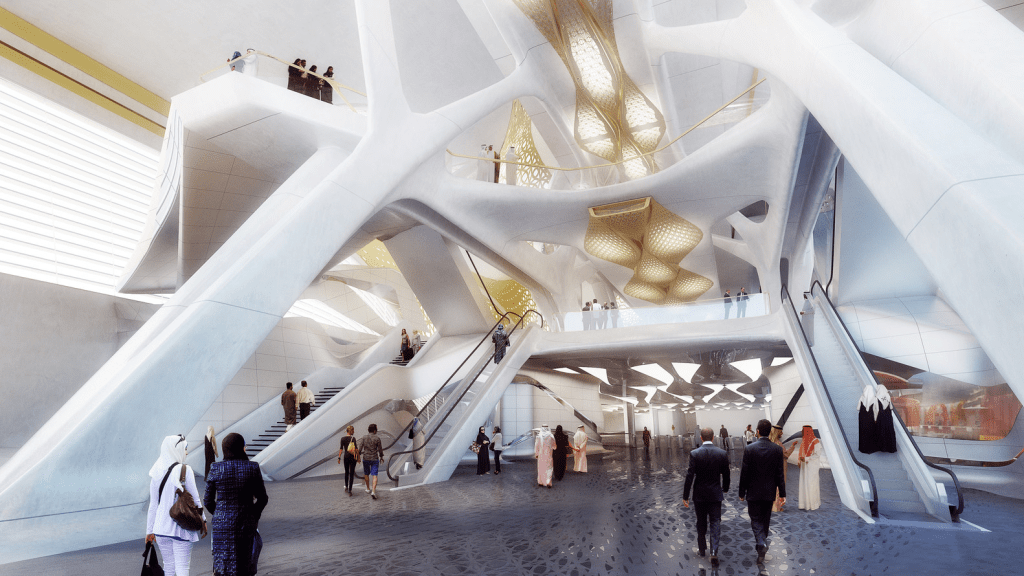
As the Riyadh Metro prepares for its inaugural journey, one of the most anticipated aspects is the ticketing system and pricing structure. Designed with user convenience and accessibility in mind, the metro’s fare system aims to make public transportation an attractive option for all segments of society.
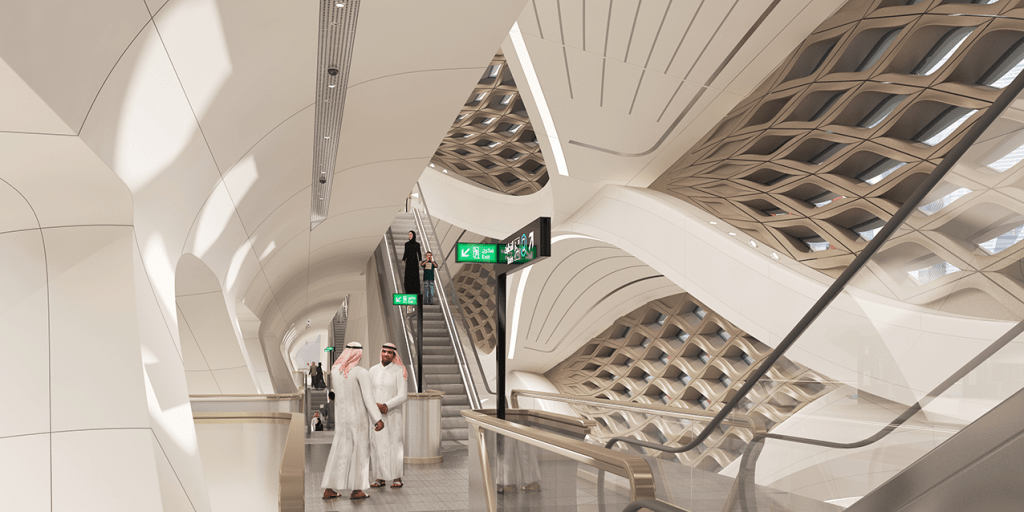
While specific ticket prices are yet to be announced, authorities have emphasized their commitment to maintaining competitive rates. The goal is to strike a balance between passengers’ affordability and the system’s long-term financial sustainability.
Reshaping Urban Mobility
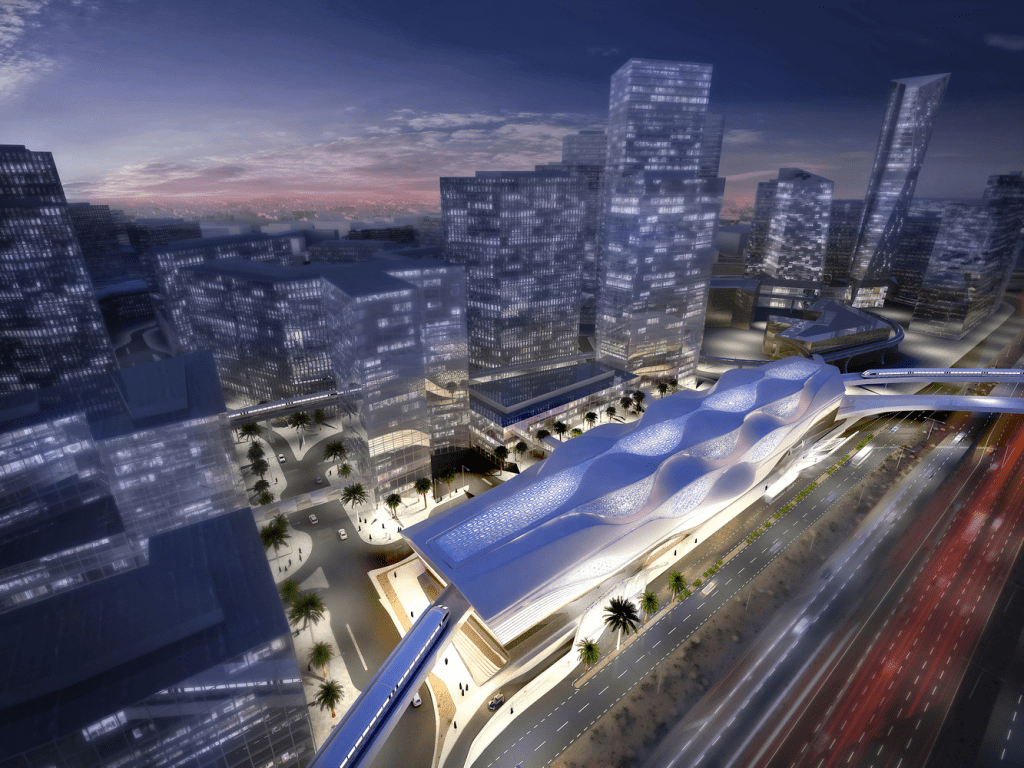
The partial launch of the metro marks the culmination of years of planning, engineering, and construction. It showcases the Kingdom’s ability to execute large-scale infrastructure projects that rival the best in the world.
From its cutting-edge technology to its commitment to sustainability, the Riyadh Metro sets new standards for urban transportation systems globally.
More Planned Projects in Riyadh
King Salman Stadium’s Designs
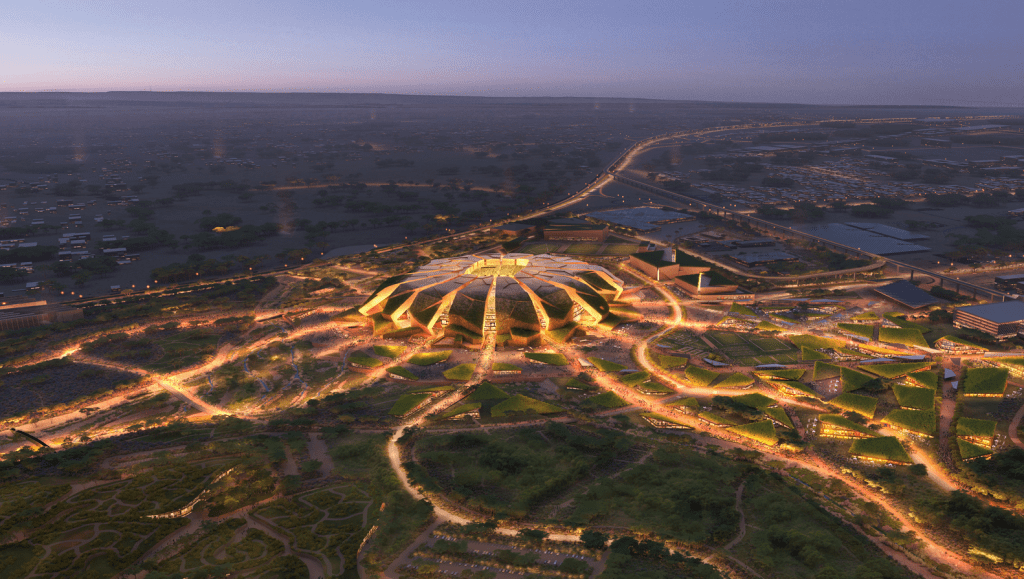
Saudi Arabia has revealed the design for the massive King Salman Stadium in Riyadh, which will seat 92,000 spectators and host the 2034 FIFA World Cup.
Scheduled to open in 2029, the stadium will be integrated into King Abdulaziz Park, surrounded by various sports facilities. It aims to host major global events and serve as the new home for the Saudi National Team.
The venue will also include a 150-seat Royal Suite, 120 hospitality suites, and aligns with Saudi Vision 2030 to position Riyadh as a premier international sports hub.
Dar Global and Mouawad’s Villa Project
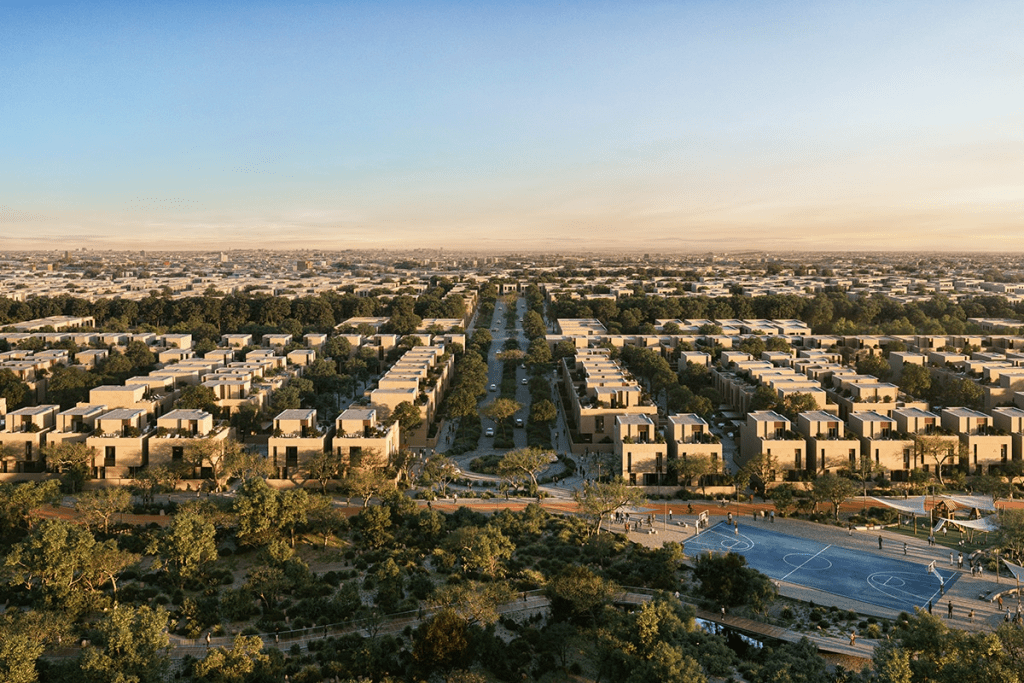
Dar Global, an international real estate developer, has partnered with luxury jeweler Mouawad to unveil a $235 Million Villa Project in North Riyadh, close to the World Expo 2030 site.
The development will include 200 exquisite villas, similar to the prestigious Bulgari Residences, and aims to boost Riyadh’s reputation as a top luxury destination.
Scheduled for completion in 2026, this project represents Dar Global’s debut in Saudi Arabia and Mouawad’s entry into the real estate market.
New Murabba Stadium
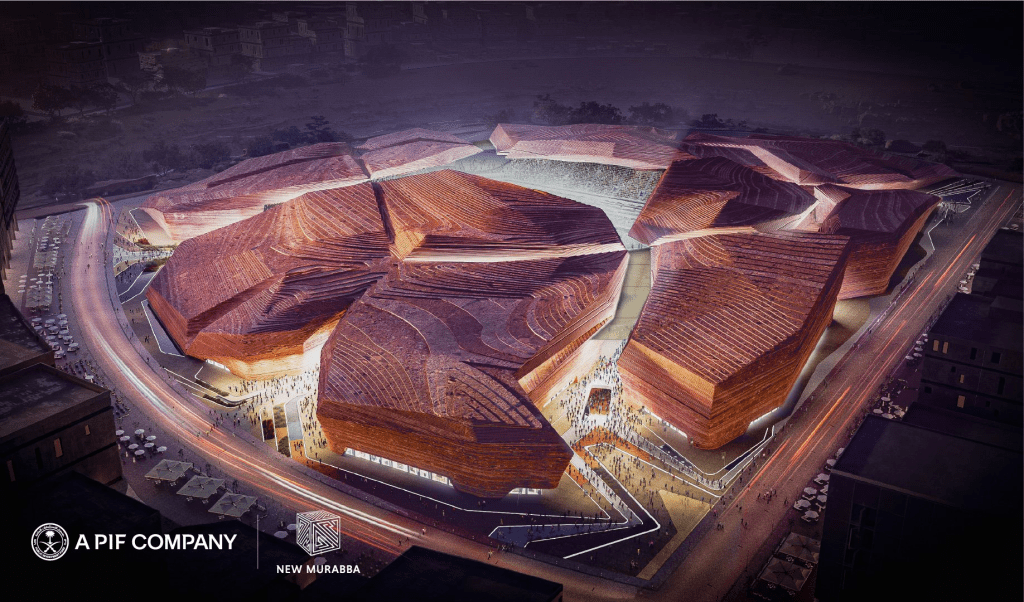
The New Murabba Development Company, part of the PIF, has revealed the impressive design for a 45,000 seater New Murabba Stadium in Riyadh.
Scheduled for completion in 2032, the stadium’s design draws inspiration from native acacia trees and incorporates cutting-edge technology.
It will serve as a sports, cultural, and entertainment center, enhancing Riyadh’s international appeal.
Global Sports Tower
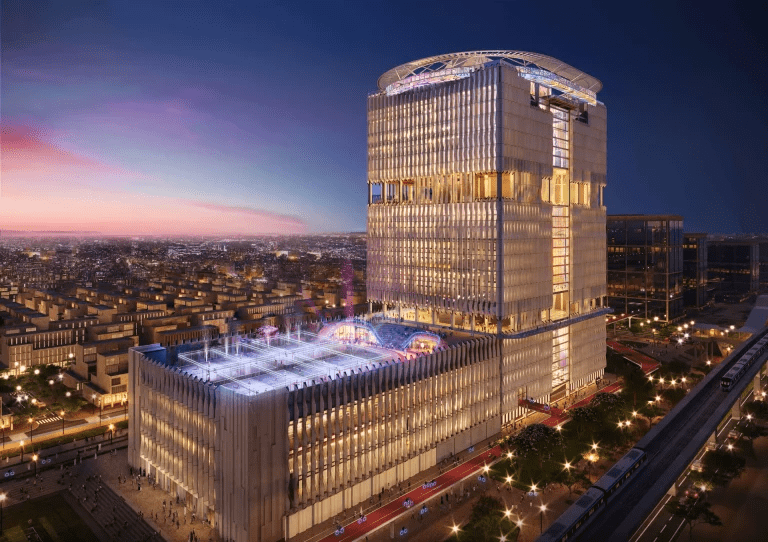
Saudi Arabia has unveiled plans for The Global Sports Tower in Riyadh, which is set to become the world’s tallest sports tower.
This 130-meter towering structure will be located in The Sports Boulevard, one of the major projects in Riyadh.
It is expected to include various world-class sports facilities, such as the highest indoor climbing wall in the world and a running track on its rooftop.
The Avenues Riyadh
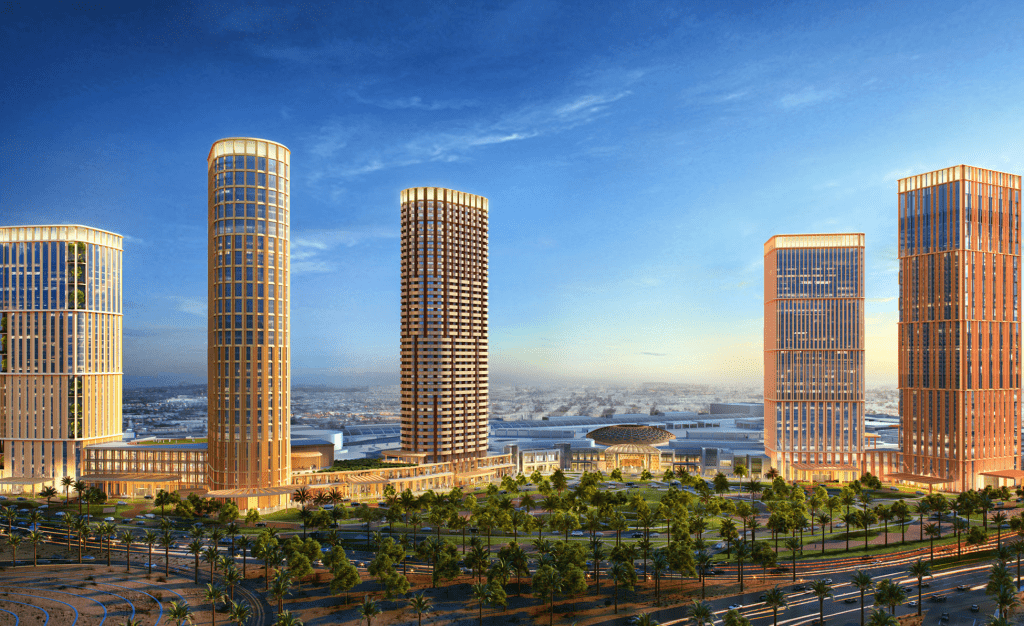
[Image Credit: Shomoul]
The highly anticipated Avenues Riyadh project, valued at $4.58 billion, has reached 44.5% completion and is scheduled to open in early 2026.
Situated in northern Riyadh, this iconic development, inspired by Salmani architecture, will cover 390,000 square meters and host one of the Middle East’s largest malls.
It will also feature three luxury hotel towers: Waldorf Astoria, Canopy by Hilton, and Conrad. This project supports Saudi Vision 2030’s goal of making Saudi Arabia a leading global tourist destination.
Boulevard Business Park
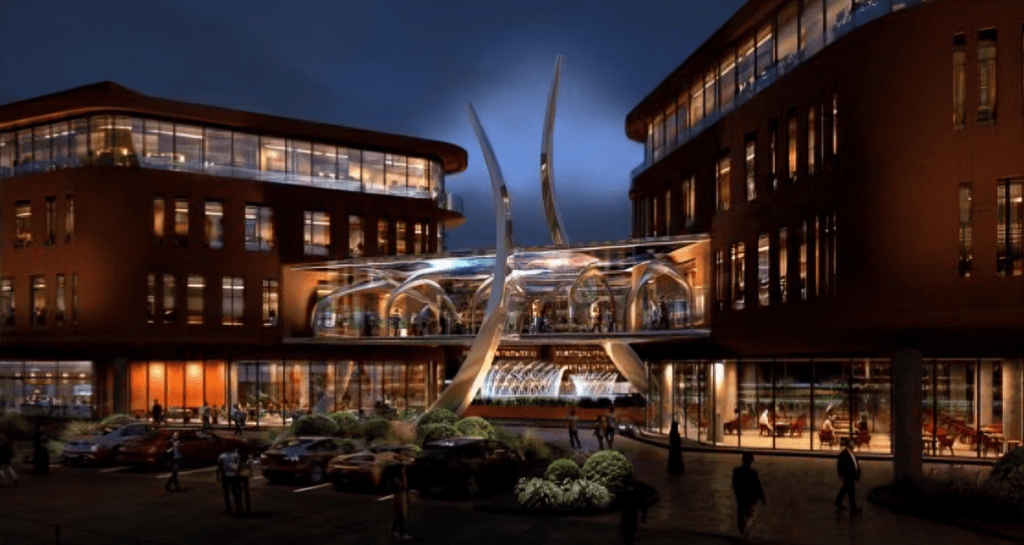
Saudi Arabia’s General Entertainment Authority has unveiled plans for a $266 million business park at Boulevard City in Riyadh.
Named the “Boulevard Business Park,” this new project will consist of nine buildings with views of the Boulevard City Fountain, an outdoor art gallery, and a suspended pool.
The initiative aims to promote creativity, innovation, and support for entrepreneurs and businesses, in line with Saudi Vision 2030.
New Murabba
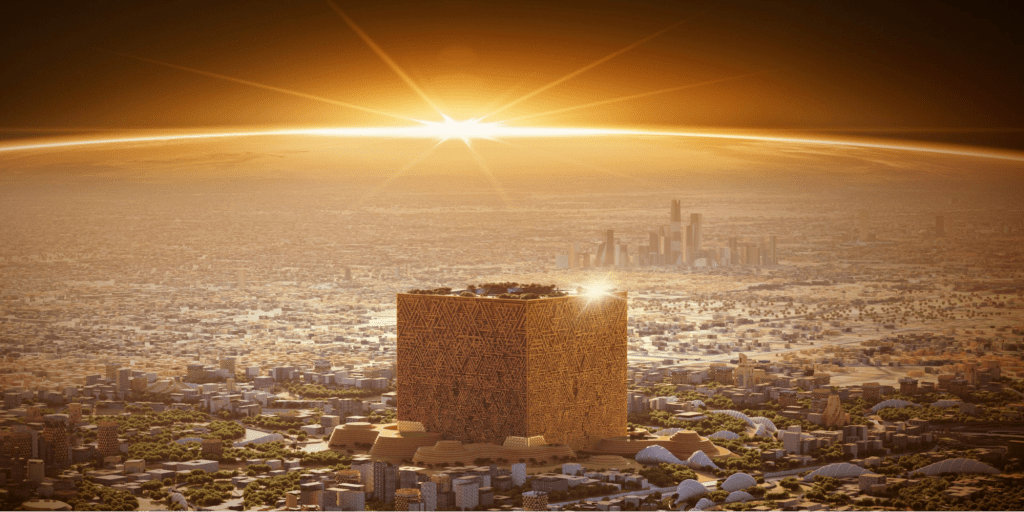
The most recent video demonstrates significant advancements in the construction of the New Murabba, the largest contemporary downtown in northwest Riyadh.
A remarkable 5 million cubic tonnes of soil have already been removed, and the project is making notable headway.
This ambitious venture covers an area of 19 square kilometers and will include the distinctive cube-shaped Mukaab at its heart, capable of holding 20 Empire State Buildings.
King Salman Park
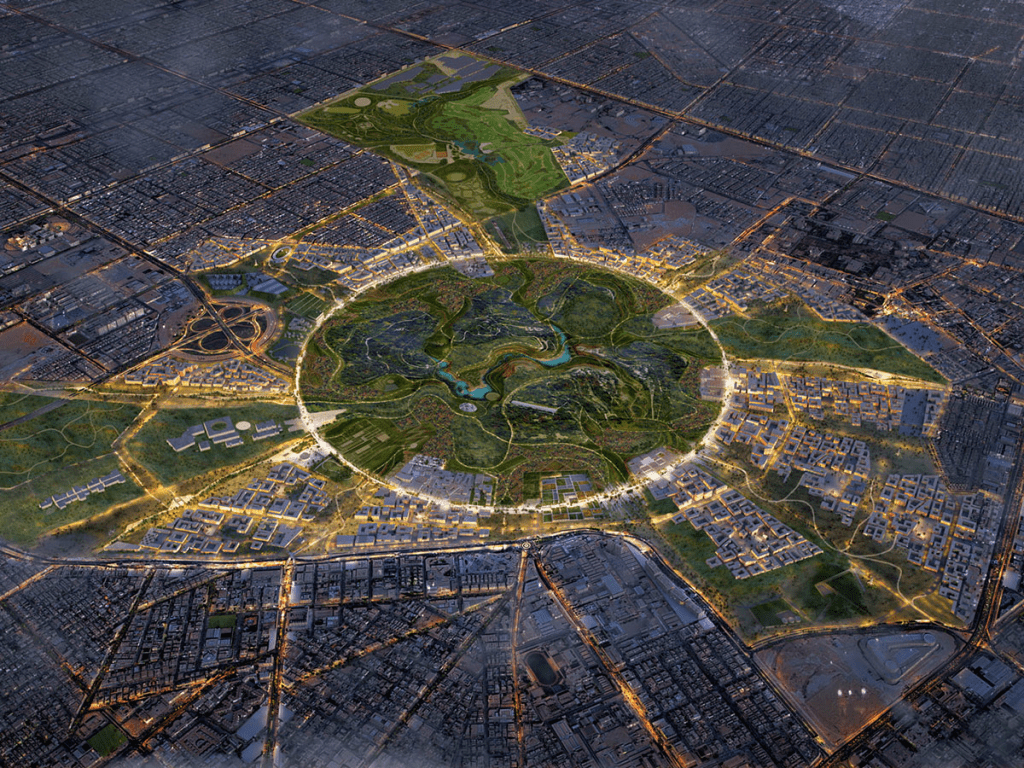
King Salman Park, the largest urban park in the world, is scheduled to open in 2024, covering a total area of 16 square kilometers.
The park includes 11 square kilometers of greenery and water features in the heart of Riyadh.
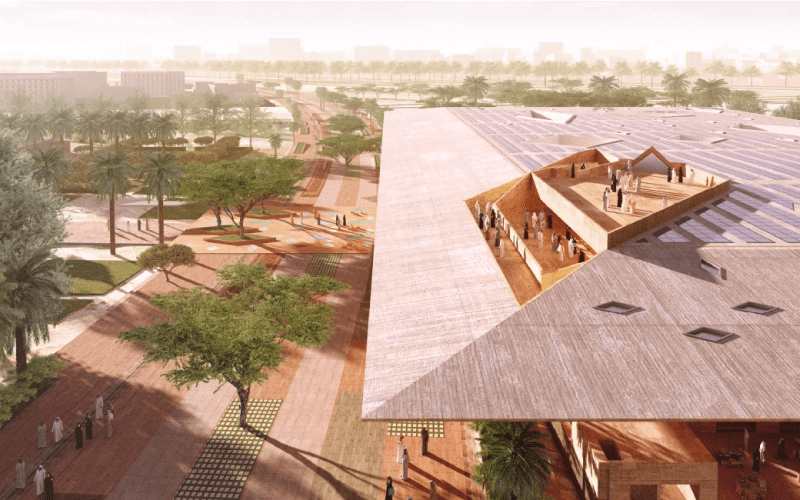
Its major attractions will be a Royal Arts Complex, an equestrian center, an 850,000-square-meter Royal golf course, and the city’s first skydiving center.
In addition, the park will offer over 2,000 hotel rooms and aims to elevate the quality of life in the city, following the goals of Saudi Vision 2030, thereby improving Riyadh’s global ranking.
Riyadh Sports Boulevard
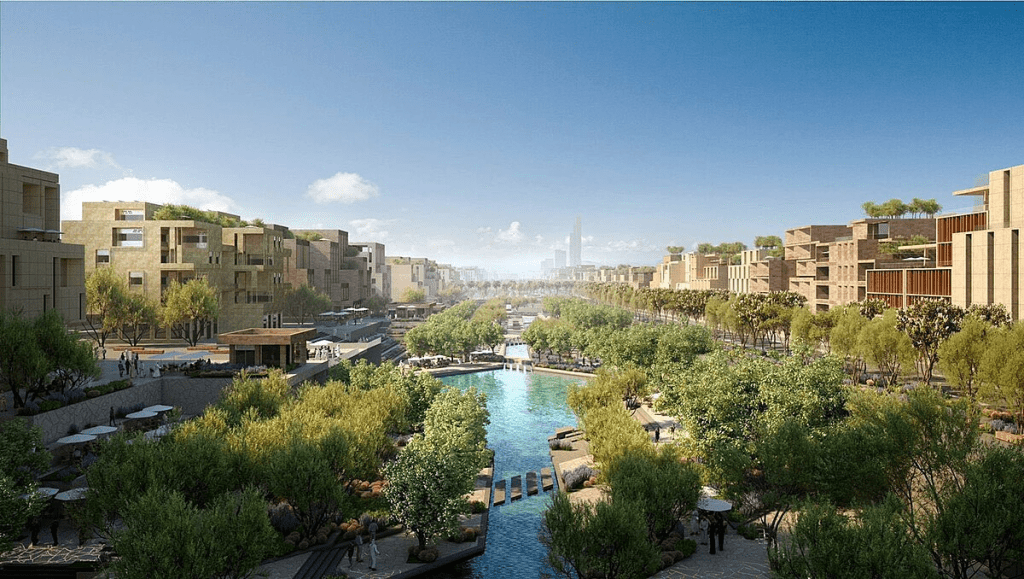
The Riyadh Sports Boulevard has been designed to be the longest linear park in the world, with the purpose of connecting the Wadi Hanifa in the western part of Riyadh to the Wadi Al Sulai in the eastern part of the city, spanning a total distance of 135km.
This project aims to transform Riyadh into one of the world’s most livable and healthy cities. The development plans to include various pathways, bike lanes, and horse riding trails, covering a vast area of 4.4 million square meters of green spaces.
The impressive initiative will also consist of 8 exceptional districts, such as an athletics district, an entertainment district, and an arts district.
Riyadh Rise Tower
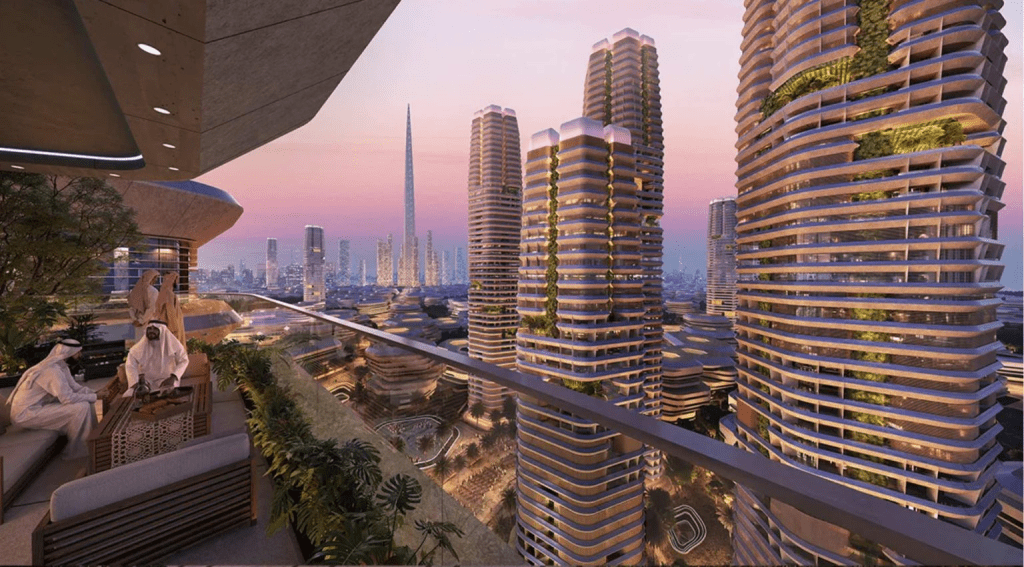
Saudi Arabia Holding Co. has unveiled its plans for the Rise Tower, which is set to become the world’s tallest skyscraper in Riyadh, surpassing even the renowned Burj Khalifa. The unveiling of Rise Tower’s plans is a significant component of the broader North Pole Project in Riyadh.
Rise Tower is anticipated to exceed 828 meters to outshine the Burj Khalifa. There are speculations that Rise Tower might ascend to a staggering 2 kilometers, doubling the Burj Khalifa’s current height.
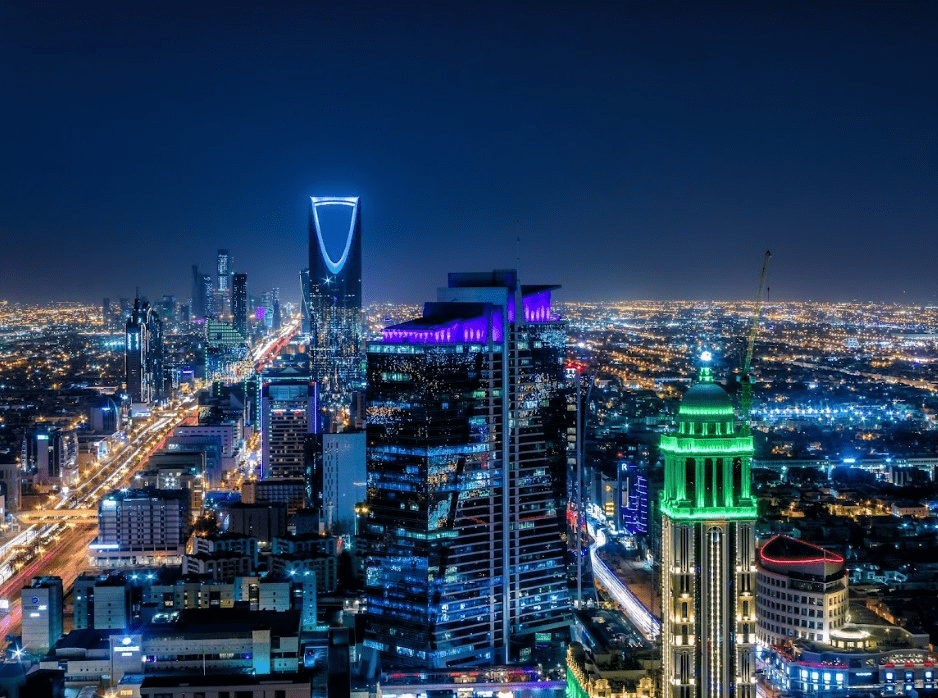
With these transformative projects, Riyadh, one of the world’s top 15 fastest-growing cities, is transforming into a city known for its accessibility and quality of life to become among the world’s top 10 cities with an investment of $1 trillion over the next seven years.
Keep Reading: Saudi Arabia Unveils Designs for the 92,000 Seater King Salman Stadium in Riyadh


